What Is an Adjustable Bed Base Made Of? What’s Going On

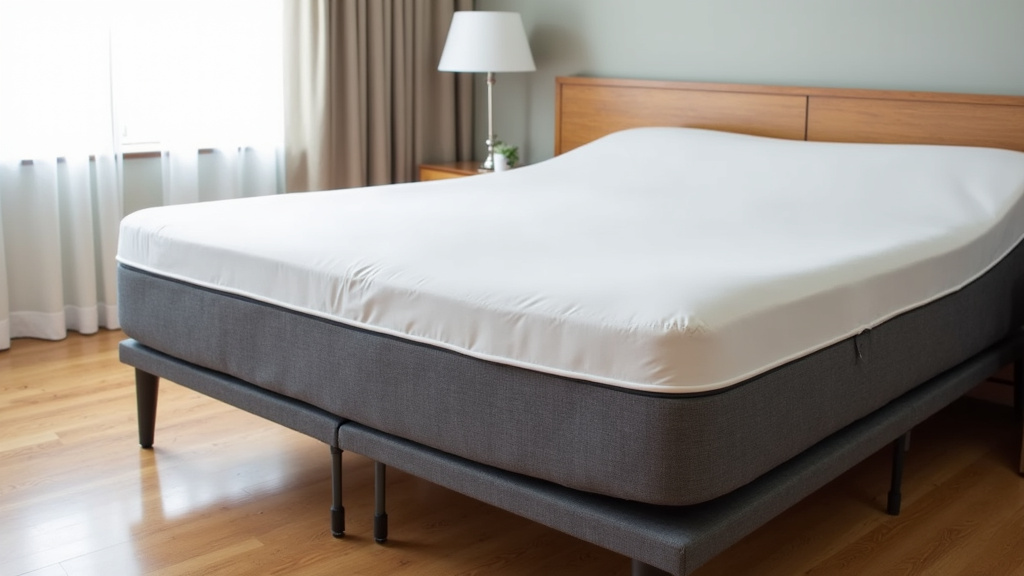
An adjustable bed base is typically made of a sturdy metal frame, often steel, that holds up the mattress. Inside this frame, you’ll find a quiet electric motor and various electronic components. These parts work together to allow you to change the position of your bed.
The metal frame provides the necessary support and durability for the base to move. The motor is the heart of the adjustable bed, powering the lifting and lowering mechanisms. Other electronic parts help control these movements precisely, giving you fine-tuned adjustments for your comfort. Many bases also include features like massage functions or under-bed lighting.
- Adjustable bed bases use a strong metal frame.
- A quiet electric motor makes the bed move.
- Electronics control the different positions.
- Some add features like massage or lighting. Our guide to split base adjustable beds explains how these offer independent control for each side.
- These bases are built for durability and comfort.
Let’s break down exactly what goes into making these adjustable bed bases so functional.
What Makes an Adjustable Bed Base Work? The Inside Story
Ever wondered what’s actually inside that adjustable bed base you’re eyeing? It’s more than just a frame that lifts. A lot of engineering goes into making it move smoothly and quietly. We’ve looked into the components that make these beds so useful for improving sleep and comfort.
The Foundation: The Sturdy Metal Frame
The main structure of almost every adjustable bed base is a robust metal frame. Think of it as the skeleton that holds everything together. This frame needs to be strong. It supports your mattress, your weight, and the forces of the moving parts.
Types of Metal Used
Most manufacturers use steel for the frame. Steel is chosen for its strength and durability. It can handle bending and stress without breaking. Some higher-end models might use aluminum in certain parts for lighter weight, but steel is common for the main load-bearing components.
How the Frame is Designed
The frame isn’t just a solid box. It’s designed with specific pivot points. These points allow different sections of the base to lift and tilt. You’ll often see a head section and a foot section. These sections are hinged together. This design lets them move independently or together.
The Muscle: Electric Motors and Actuators
The “magic” of an adjustable bed comes from its electric motor system. This system is what actually moves the bed. It’s designed to be strong enough to lift you and your mattress, but quiet enough not to disturb your sleep. These are often called actuators.
How an Actuator Works
An actuator is essentially a motor that converts electrical energy into mechanical motion. Inside the adjustable base, you’ll find one or more actuators. These typically consist of a DC motor and a screw-drive mechanism. The motor spins a threaded rod. This rod extends or retracts a sleeve, pushing or pulling the bed frame.
We found that most modern actuators are quite efficient. They use direct current (DC) power. This is supplied by a power adapter that plugs into your wall outlet. The DC motor is chosen for its controlled speed and torque, perfect for precise bed movements.
Motor Power and Noise Levels
Manufacturers aim for quiet operation. You’ll often see decibel ratings advertised, usually in the 40-60 dB range. This is comparable to a quiet refrigerator or a hushed conversation. Research and development have focused on muffling the motor noise. They use special casings and lubricants to achieve this.
The power of the motor is measured in watts or amps. Higher wattage doesn’t always mean better. It’s about the efficiency of the motor and the design of the lifting mechanism. A well-designed system can lift significant weight without needing an overpowerful, noisy motor.
The Brains: Electronic Control Systems
Beneath the frame and motor, you’ll find the electronic components. These are the brains of the operation. They take your input from the remote control and tell the motors what to do. This includes a circuit board and wiring.
The Remote Control and Its Role
Your remote is the interface you use to control the bed. It sends signals to the control box. Older remotes might be wired, but most modern ones are wireless. They use radio frequency (RF) or Bluetooth technology to communicate.
The remote typically has buttons for:
- Head up/down
- Foot up/down
- Zero gravity position (a common preset)
- Memory positions (if available)
- Massage functions (if applicable)
The Control Box
This is a small, usually black box located somewhere on the frame. It receives signals from the remote. It then directs power to the correct motor(s) to execute the command. Think of it as the central hub. It also houses the circuitry that manages preset positions and other features.
Many control boxes also have a backup power option. This is often a 9-volt battery. If the main power goes out, you can use these batteries to lower the bed to a flat position. This is a smart safety feature.
Supporting Components and Additional Features
Beyond the core mechanics, other parts contribute to the overall function and comfort of an adjustable bed. These can include power supplies, wiring harnesses, and even added luxury features.
Power Supply and Wiring
A power supply unit (PSU) is essential. It converts your home’s AC power to the DC power the motors need. This unit needs to be robust to handle the continuous power demands. The wiring connects everything – the PSU, the control box, the motors, and sometimes sensors.
Wiring is usually neatly bundled and secured to the frame. It’s designed to withstand the movement of the base without snagging or breaking. Manufacturers pay attention to safety standards for all electrical components.
Common Added Features
Many adjustable bases come with extra touches. These enhance the user experience. Some popular additions include:
- Under-bed lighting: Soft LED lights illuminate the floor. This is great for navigating your room at night.
- Massage functions: Small vibration motors are built into the base. They provide soothing massages for your back or legs.
- USB charging ports: Conveniently located ports let you charge your devices right from your bed.
- Headboard brackets: These allow you to attach your existing headboard to the adjustable base.
The construction of these added features is similar to the main components – motors, wiring, and control circuits. They are integrated into the frame in a way that doesn’t impede the primary function of adjusting the bed.
Materials for Durability and Comfort
The materials used are key to how long your adjustable bed base will last. Besides the metal frame, you’ll find various plastics, foams, and fabrics.
Frame Materials Recap
As mentioned, steel is the workhorse for the frame. It’s chosen for its high tensile strength. This means it can resist stretching and breaking under load. The welds and joints are also critical for frame integrity.
Padding and Upholstery
While the base itself isn’t typically upholstered like a mattress, some parts might have padding. This is usually around the motor housing or edges to prevent rattles. The outer casing might be made of durable plastic. Some higher-end models might have fabric accents.
The focus is on materials that can withstand repeated movement and flexing. Manufacturers select components that are rated for the number of cycles the bed is expected to perform over its lifespan.
What to Look For in Quality Construction
When evaluating an adjustable bed base, consider these construction points:
- Weight capacity: Ensure it can support your mattress and body weight comfortably.
- Motor noise: Look for quiet operation, ideally below 60 decibels.
- Frame materials: A solid steel frame is generally preferred for durability.
- Warranty: A longer warranty often indicates confidence in the product’s construction.
By understanding these components, you can better appreciate the engineering behind your adjustable bed. It’s a well-built system designed for your relaxation and sleep.
Conclusion
You now understand the sturdy metal frames, quiet electric motors, and smart electronics that power adjustable bed bases. We found these bases are built with durable steel and efficient DC motors for smooth, silent operation. The control systems, from wireless remotes to backup power, ensure ease of use and safety. Considering quality construction points like weight capacity and warranty will help you choose wisely. You’re now equipped to appreciate the engineering behind your next great night’s sleep and make an informed purchase.
Frequently Asked Questions
Can a standard mattress work on an adjustable base?
Generally, yes, but not all mattresses are ideal. Most modern mattresses, especially those made of memory foam, latex, or hybrid constructions, are designed to flex. Older innerspring mattresses might not bend well and could be damaged. Always check the mattress manufacturer’s guidelines.
How much weight can an adjustable bed base typically support?
Most adjustable bed bases are designed to support between 500 to 700 pounds. This weight includes both the mattress and the person(s) using the bed. It’s important to check the specific weight capacity for the model you’re considering to ensure it meets your needs.
Are adjustable bed bases noisy when they move?
Manufacturers focus on quiet operation. You’ll typically find noise levels to be quite low, often comparable to a refrigerator. Special casings and lubricants are used to minimize motor sound, so it shouldn’t disturb your sleep.
What happens to an adjustable bed base if the power goes out?
Most adjustable bed bases have a backup power option. This usually involves installing a 9-volt battery. In case of a power outage, you can use these batteries to lower the bed back to a flat position, ensuring you can still get out of bed safely.
Are there different types of motors used in adjustable beds?
The primary lifting mechanism uses electric actuators, which contain DC motors. These motors are chosen for their controlled speed and torque. You might find one or more actuators depending on the complexity and features of the adjustable base model.