What Mattresses Work with Adjustable Bases?
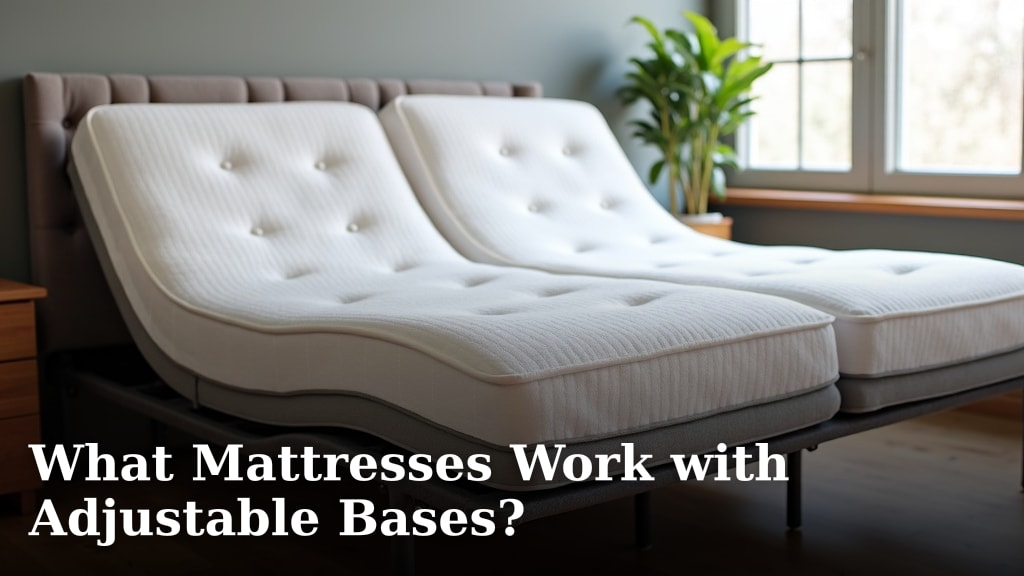
Yes, most modern mattresses work with adjustable bases, but not all of them. To ensure your mattress works well, look for one labeled as “adjustable base compatible.” You want a flexible mattress that can bend without damage. Traditional innerspring mattresses can be too stiff.
Choosing the right mattress for your adjustable base is key for comfort and longevity. Many shoppers worry about damaging their mattress or base. We found that checking the mattress warranty is also a smart move. Some warranties are void if the mattress is used on an adjustable base.
- Not all mattresses are adjustable base friendly.
- Look for mattresses specifically labeled as compatible.
- Memory foam, latex, and certain hybrids often work best.
- Traditional innerspring mattresses might be too rigid.
- Always check your mattress warranty.
We’ve researched what makes a mattress a good fit for an adjustable base. Let’s break down what you need to know to make sure you pick the right one.
Choosing Mattresses for Your Adjustable Base
So, you’ve decided an adjustable base is the way to go for better sleep and comfort. That’s fantastic! But now comes the important part: picking a mattress that can move with it. You don’t want to damage your new base or your mattress, right? We found that many shoppers worry about this exact thing.
The good news is that a lot of modern mattresses are designed to be flexible enough for adjustable bases. Think of it like a well-made dance partner – they can bend and move without getting hurt. The key is understanding what makes a mattress a good fit and what materials work best.
What Makes a Mattress Adjustable Base Friendly?
An adjustable base lifts and lowers different parts of your bed. This means your mattress needs to be able to bend and flex without losing its shape or support. If a mattress is too stiff or rigid, it can crack, break, or strain the motor on your adjustable base. This can lead to costly repairs or even voiding your warranty.
We researched the main qualities that make a mattress work well with these bases. You’re looking for two main things: flexibility and durability. It needs to be able to bend repeatedly without damage, and it needs to hold up over time.
Flexibility is Key
Imagine trying to fold a piece of cardboard in half. It’s going to snap, right? That’s what a stiff mattress might do. An adjustable base needs a mattress that can bend smoothly, especially at the knees and head. This allows you to find that perfect reading position or get relief from snoring. Consider the zero gravity position for optimal comfort and pressure relief.
Durability Matters
Even if a mattress can bend, it needs to bounce back into shape. If it permanently sags or loses its support after flexing, it’s not a good match. The materials need to be resilient. We found that mattresses made with high-quality, adaptable foams or responsive latex tend to hold up best.
Mattress Types That Generally Work Well
Not all mattress types are created equal when it comes to adjustable bases. Some are naturals, while others can be a bit stubborn. Let’s break down the most common types and how they fare.
Memory Foam Mattresses
Memory foam is often your best bet for an adjustable base. Why? Because it’s inherently designed to contour to your body’s shape. This molding ability means it can easily bend and flex with the movements of the base. You get that classic memory foam hug without worrying about damage.
We found that all-foam memory foam mattresses typically perform very well. They are very flexible and tend to be durable. Look for dense, high-quality foam. Lower-density foams might sag over time, even if they work initially. Many brands even label their memory foam models as adjustable base compatible.
Latex Mattresses
Latex mattresses, whether natural or synthetic, are also excellent choices. Latex is known for its responsive and durable nature. It has a bouncy feel but still contours well. This makes it naturally flexible and able to withstand repeated bending.
We researched that natural latex, in particular, is very resilient. It has a strong structure that can handle movement without breaking down. You get a supportive feel that’s also quite forgiving. Many latex models are designed with adjustable bases in mind.
Hybrid Mattresses
Hybrid mattresses can be a great option, but it depends on their construction. A good hybrid mattress combines pocketed coils in the base layer with comfort layers of foam or latex on top. The pocketed coils allow for better flexibility than traditional innerspring systems. They move more independently, so they can adapt to the base’s position.
The key here is the quality of the coils and the comfort layers. If the foam or latex layers are thick and flexible, and the coils are individually wrapped, you’re likely to have a good experience. We found that hybrids with a foam or latex top layer tend to be more adjustable-base friendly than those with only quilting on top of coils.
Innerspring Mattresses (With Caveats)
Traditional innerspring mattresses are the most likely to cause problems. These use a Bonnell coil or continuous coil system. These coils are interconnected and tend to be much stiffer and less flexible. Trying to bend them can put a lot of stress on the coil system and the mattress frame.
We found that some modern innerspring mattresses with pocketed coils and a more flexible design might work. However, for the most part, we advise caution. If you absolutely love an innerspring, look for one specifically advertised as adjustable base compatible. Even then, it might not bend as smoothly as foam or latex options.
Mattress Types to Approach with Caution
While the above types are generally good, some mattress constructions can be problematic. It’s important to know which ones might give you trouble.
Traditional Innerspring Mattresses
As mentioned, these are the biggest concern. Their interconnected coil systems are not designed to bend significantly. We’ve seen reports of these mattresses cracking or the metal frame bending awkwardly when used with an adjustable base.
Mattresses with Very Firm, Rigid Cores
Even some hybrids or other designs might use a very rigid support core. If the primary support layer is stiff, it can prevent the mattress from bending properly. This applies even if the top layers are flexible.
Older or Inexpensive Mattresses
Older mattresses may have lost their original flexibility and support. Inexpensive mattresses often use lower-quality materials that break down more easily. We found that these are more prone to damage when subjected to the stress of an adjustable base.
How to Tell If Your Mattress Is Compatible
You’re probably wondering how to know for sure if the mattress you have or are considering will work. It’s not always obvious just by looking at it.
Check the Label or Product Description
The easiest way is to look for clear statements. Many manufacturers will explicitly state if a mattress is “adjustable base compatible” or “designed for adjustable bases.” This label is your best indicator.
Consult the Manufacturer’s Warranty
This is a critical step. We found that some mattress warranties are void if the mattress is used on an adjustable base, especially if it’s not designed for it. Always read the fine print or contact the manufacturer directly to confirm.
A warranty that covers adjustable base use gives you peace of mind. It means the company stands behind their product’s ability to handle the movement. If a warranty is voided, you’re on your own if something goes wrong.
Consider the Mattress Construction
If you can’t find a specific label, think about the materials. As we discussed, all-foam, latex, and well-constructed hybrid mattresses are your safest bets. If it’s a traditional innerspring with a rigid frame, proceed with extreme caution.
What About Your Adjustable Base?
Just as the mattress needs to be compatible, the adjustable base itself should be in good working order. We found that a well-maintained base is less likely to cause issues for the mattress.
Ensure Proper Functionality
Make sure all parts of your base move smoothly and without jerking. If you hear grinding noises or notice the movement is uneven, get it serviced. A base that operates smoothly puts less strain on your mattress.
Check the Weight Capacity
Every adjustable base has a weight limit. This limit includes the weight of the mattress and any people or pets on it. Exceeding this limit can damage the motor and mechanism, which could indirectly harm your mattress by causing uneven movement.
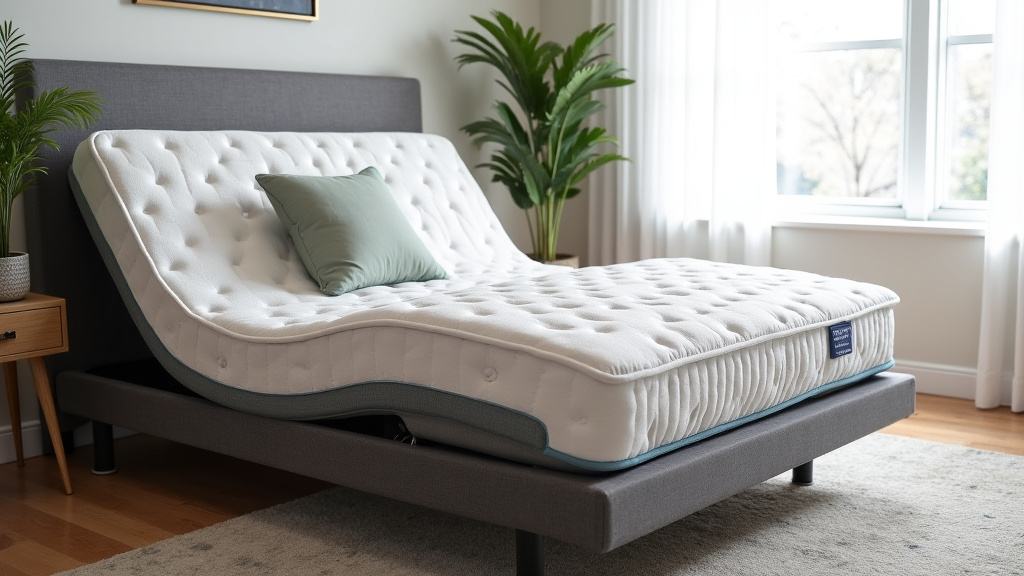
Quick Checklist for Adjustable Base Mattress Compatibility
Before you buy or use a mattress with your adjustable base, run through this quick checklist:
- Is it clearly labeled “adjustable base compatible”? This is your first and best clue.
- What is the mattress made of? Memory foam, latex, and good hybrids are usually safe.
- Does the warranty cover use on an adjustable base? Check the fine print carefully.
- Is the mattress flexible? Can it bend easily without resistance?
- Is the mattress durable and resilient? Will it bounce back to its original shape?
- Have you checked the base’s weight capacity? Ensure it can support your mattress and you.
Common Mistakes to Avoid
Many people make simple mistakes that can lead to problems with their adjustable bases and mattresses. We’ve seen a few recurring issues.
Assuming All Mattresses are the Same
This is the biggest error. Shoppers often think one mattress is like another. But the materials and construction make a huge difference. What works for one might break another.
Ignoring the Warranty
A warranty is like a promise from the manufacturer. Ignoring it can leave you with a broken mattress or base and no help. We found that reading the warranty is often the most overlooked step.
Using an Old Innerspring Mattress
While tempting to save money, using an old, stiff innerspring mattress is a recipe for disaster. It’s more likely to crack or damage the base mechanism.
Not Checking the Base’s Condition
A faulty base can cause uneven wear and tear on even a compatible mattress. Always ensure your base is working correctly.
Putting It All Together: Your Comfort is Key
Choosing the right mattress for your adjustable base is about finding that perfect balance of comfort, flexibility, and durability. You want a mattress that moves with you, not against you.
By focusing on mattresses made with memory foam, latex, or well-constructed hybrids, and by always checking for compatibility and warranty information, you’re well on your way to a great night’s sleep. Remember, a little research upfront can save you a lot of trouble and ensure your investment in comfort lasts for years to come. We believe taking these steps will help you find a mattress that truly enhances your adjustable base experience.
Conclusion
You’ve learned that pairing the right mattress with your adjustable base is key to comfort and durability. Remember, most modern mattresses, especially those made from memory foam, latex, or quality hybrids, will work well. Always check for an “adjustable base compatible” label and confirm your warranty coverage before making a purchase. We found that a little research upfront ensures your mattress can bend and move smoothly without damage. Your next step is to apply this knowledge to confidently select a mattress that will enhance your adjustable base experience for years to come.
Frequently Asked Questions
What if my mattress isn’t labeled “adjustable base compatible”?
If your mattress doesn’t have a specific compatibility label, consider its construction. Mattresses made primarily of memory foam, latex, or well-designed hybrids are generally safe bets. However, traditional innerspring mattresses or those with very stiff cores may not flex properly and could be damaged.
Can I use my old mattress with an adjustable base?
We generally advise against using old mattresses, especially traditional innerspring ones, with an adjustable base. Older mattresses may have lost their flexibility and support, making them prone to cracking or damage under the strain of movement. Newer, compatible models are a much safer choice.
Will an adjustable base damage my mattress if it’s compatible?
When a mattress is designed to be compatible, the adjustable base should not cause damage. These mattresses are built with flexible materials and structures that can handle the bending and movement required by the base. Ensure your base is functioning smoothly to prevent uneven stress.
What’s the difference between an adjustable base compatible mattress and a regular one?
An adjustable base compatible mattress is specifically designed to bend and flex repeatedly without damage. Regular mattresses, particularly older innerspring types, are often too rigid and can break or strain the base’s motor when forced into positions.
Do I need a special type of foundation for my mattress if I use an adjustable base?
No, the adjustable base itself serves as the foundation. You do not need a separate box spring or traditional foundation. In fact, a box spring will likely be damaged and could harm the adjustable base mechanism if used together.