Do Adjustable Beds Need Special Mattresses?
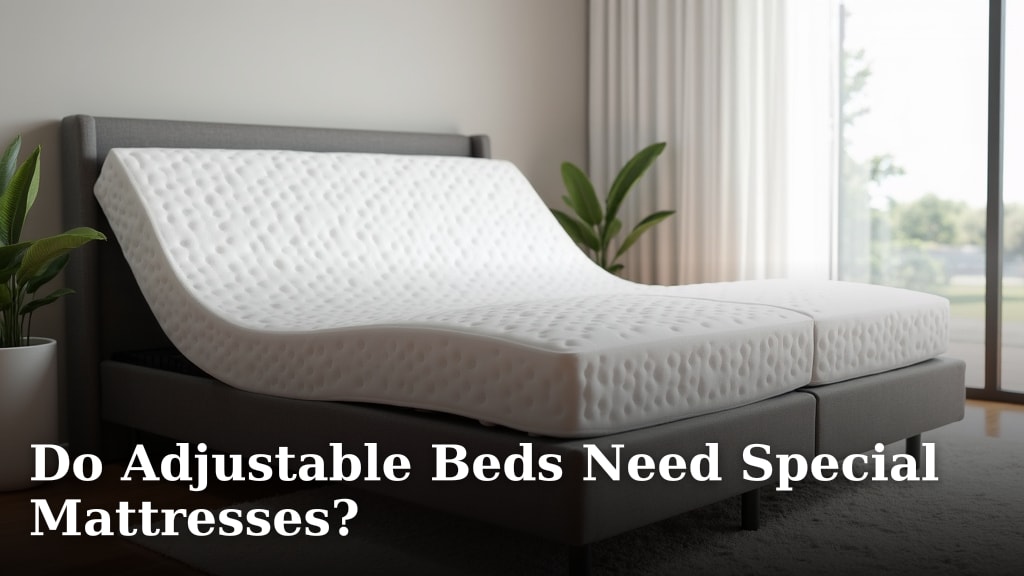
Yes, adjustable beds do not always need special mattresses, but it’s important to pick one that’s flexible enough to bend. Most modern mattresses, like memory foam and some innerspring models, work well. Rigid mattresses can break or damage the bed’s mechanism.
When choosing a mattress for your adjustable base, consider its durability and how it handles motion. A mattress that can easily move with the bed will give you the best comfort and won’t wear out too quickly. You want a mattress that bends without protesting too much.
- Not all mattresses work with adjustable beds.
- Mattresses need to be flexible to bend.
- Memory foam and some latex models are good choices.
- Avoid very old or very firm innerspring mattresses.
- Check the mattress warranty for adjustable base compatibility.
Let’s dive into what makes a mattress work with an adjustable bed and what you should look out for. We’ll cover the best types and what to steer clear of.
Can Any Mattress Go On an Adjustable Bed?
This is a question many shoppers ask. You’re getting an adjustable bed frame, and you wonder if your current mattress will work. Or, perhaps you’re buying a new mattress and want to be sure it’s compatible. The good news is that most modern mattresses can work with adjustable bases. However, there are definitely some types you’ll want to avoid. The key factor is flexibility. An adjustable bed moves and bends, so your mattress needs to bend with it.
Why Flexibility Matters for Adjustable Bases
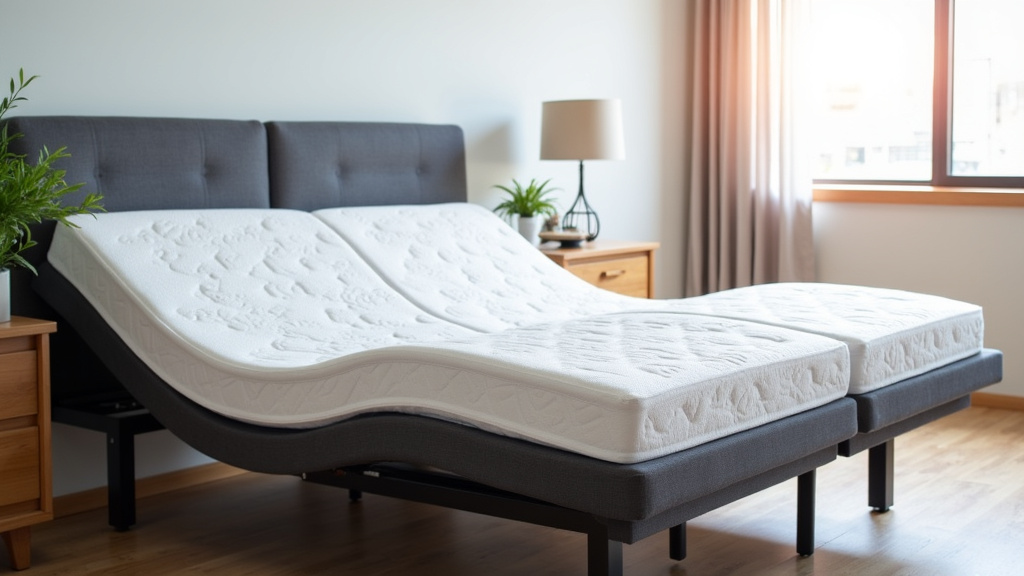
Think about how an adjustable bed works. It has motors that lift and tilt different sections of the base. The head can go up, the feet can go up, or you can find a comfortable reclining position. This bending motion is what makes the bed so great for reading or watching TV. If your mattress is too stiff, it simply won’t move correctly. It might buckle, crease, or even damage the adjustable base mechanism. We found that a mattress that can bend easily provides the best experience. Think about how an adjustable bed works, especially a zero gravity bed base, as it has motors that lift and tilt different sections of the base.
The Stress on Your Mattress
When a mattress is forced to bend in ways it wasn’t designed for, it can lead to problems. The internal layers can get compressed unevenly. This can create lumps or dips over time. It’s like trying to fold a stiff board; it’s going to creak and eventually break. You want a mattress that moves with the bed’s contours, not one that fights against them. A happy mattress means a happy adjustable bed, and more importantly, a happy you!
Protecting Your Investment
Adjustable bed frames can be a considerable investment. You want to protect that. Pairing it with the wrong mattress could shorten the lifespan of either component. Many mattress warranties are voided if the mattress is used on an incompatible base. So, choosing the right mattress isn’t just about comfort; it’s about protecting your purchase and ensuring both the bed and mattress work together for years to come.
Mattress Types That Generally Work Well
So, what kinds of mattresses are usually a good fit? We’ve researched several popular types. The good news is that many of the most comfortable and popular mattress types today are also the best for adjustable beds.
Memory Foam Mattresses
Memory foam is often the top recommendation for adjustable beds. Why? Because memory foam is naturally pliable. It conforms to your body’s shape, and it can also conform to the shape of the adjustable base. These mattresses are designed to be flexible. They bend and move without losing their structural integrity. You’ll find many brands specifically market their memory foam mattresses as adjustable base compatible.
We found that denser memory foams offer better support and durability. A high-density foam core will keep its shape and prevent excessive sinkage, even with frequent adjustments. Look for mattresses with a density of 4-5 lbs per cubic foot or higher for memory foam layers.
Latex Mattresses
Latex mattresses are another excellent choice for adjustable bases. Latex, especially natural latex, has a unique bounciness and flexibility. It has a bit more “push-back” than memory foam but still bends easily. This makes it very responsive to the movements of an adjustable bed. Many people love latex for its durability and breathable properties.
When considering latex, both Dunlop and Talalay methods produce good results. However, 100% natural latex tends to be more durable and flexible than synthetic blends. You’ll find that a latex mattress can easily handle the repeated bending and flexing required by an adjustable base.
Hybrid Mattresses
Hybrid mattresses combine the benefits of both innerspring and foam. They typically have an innerspring coil support system topped with layers of foam, often memory foam or latex. For an adjustable bed, you need to pay attention to the coil system. Pocketed coils are generally preferred.
Pocketed coils are individually wrapped, allowing them to move independently. This independent movement makes the mattress much more flexible than traditional innerspring mattresses where coils are interconnected. If a hybrid mattress has a good layer of flexible foam on top and pocketed coils underneath, it’s usually a great candidate for an adjustable base.
Mattress Types to Be Cautious About
While many mattresses work well, some are definitely not suitable for an adjustable bed. Using the wrong type can lead to damage, discomfort, and a voided warranty. It’s wise to know what to avoid.
Traditional Innerspring Mattresses
These are the mattresses many of us grew up with. They have a continuous coil system, meaning all the springs are connected. This interconnected design makes them very stiff and rigid. When you try to bend a traditional innerspring mattress, the coils can get stressed and break. This can lead to sagging, noise, and a ruined mattress. We’ve found that most manufacturers advise against using them with adjustable bases.
The metal coils lack the necessary flexibility. Trying to force them into a bent position is like trying to bend a metal ruler repeatedly; it will eventually snap. So, if you have an older, firm innerspring mattress, it’s probably best to get a new one when you get an adjustable base.
Very Firm or Old Mattresses
Regardless of the mattress type, if it’s exceptionally firm or old, it’s probably not a good match. Very firm mattresses, even some foam ones, might not have enough give to bend properly. Old mattresses, no matter the type, can lose their structural integrity. Their foam might have collapsed or their springs could be worn out. This makes them more prone to damage when subjected to the movement of an adjustable base.
You can do a simple test: try bending the edges of the mattress yourself. If it feels like you’re fighting it, or if you hear creaking sounds, it might not be a good fit. A mattress that bends easily with moderate pressure is more likely to work.
What to Look for When Buying a New Mattress
If you’re in the market for a new mattress to go with your adjustable base, here’s a handy checklist. These points will help you make an informed decision and ensure compatibility.
- Check Manufacturer Guidelines: Always look for confirmation that the mattress is designed for or compatible with adjustable bases.
- Consider Foam or Latex: Memory foam, latex, or hybrids with pocketed coils are typically your best bet.
- Test Flexibility (If Possible): If you can physically test a mattress, try bending it to gauge its pliability.
- Read Reviews: Look for reviews from other customers who have used the mattress with an adjustable base.
- Warranty Check: Ensure the mattress warranty specifically covers use on an adjustable bed.
- Mattress Thickness: While not always a strict rule, very thick mattresses (14 inches or more) might sometimes have less flexibility, especially in their core. Mid-range thicknesses are often ideal.
Many reputable mattress companies will clearly state on their product pages or packaging if their mattresses are suitable for adjustable bases. This makes the shopping process much easier. We found that paying attention to these details upfront saves a lot of potential headaches later on.
| Mattress Type | Likely Compatible? | Notes |
|---|---|---|
| Memory Foam | Yes | Excellent flexibility, conforms well. Look for good density. |
| Latex | Yes | Naturally flexible and durable. Bounces back well. |
| Hybrid (Pocketed Coils) | Yes | Depends on coil system and foam layers. Pocketed coils are key. |
| Traditional Innerspring | No | Coils are interconnected and too rigid. Can damage base. |
| Old/Very Firm Mattresses | Unlikely | Lack flexibility, prone to damage and wear. |
The Bottom Line on Mattress Choice
To wrap up this section, the answer is yes, you can often use a regular mattress, but it must be flexible. Adjustable beds require a mattress that can bend and move with the base’s articulation. Memory foam, latex, and well-constructed hybrid mattresses are generally your safest and most comfortable bets.
Avoid traditional innerspring mattresses and any mattress that feels too stiff or is past its prime. Always check the manufacturer’s specifications and warranty information to ensure compatibility. Doing a little homework now will ensure you get the most out of your adjustable bed setup for years to come.
Conclusion
So, to get the most from your adjustable bed, remember that flexibility is key. You don’t always need a mattress labeled “for adjustable beds,” but you absolutely need one that can bend and move with the frame. Memory foam, latex, and hybrids with pocketed coils are your best friends here. They offer the give and durability required. Avoid stiff, old innerspring mattresses, as they can damage your base. Always check the manufacturer’s warranty to ensure your mattress is compatible. Make this smart choice now, and you’ll enjoy comfortable, customized sleep for years.
Frequently Asked Questions
Will my current mattress work on an adjustable bed?
It depends on your current mattress. If it’s a flexible memory foam, latex, or a hybrid with pocketed coils, it might work. However, traditional innerspring or very firm mattresses are usually not compatible. We recommend checking the mattress’s flexibility by trying to bend it yourself. If your mattress is a flexible memory foam, latex, or a hybrid with pocketed coils, it might work with a split base adjustable bed.
Can I use a very thick mattress on an adjustable bed?
While thicker mattresses can work, very thick ones (14 inches or more) might sometimes have less flexibility. This is especially true in the core layers. It’s best to check the manufacturer’s guidelines for compatibility, as some thick models are still designed to bend well.
What if my mattress warranty doesn’t mention adjustable beds?
If your mattress warranty is silent on adjustable bases, it’s a good idea to contact the manufacturer directly. They can confirm if using it on an adjustable bed will void the warranty. Many warranties will specifically state if adjustable bases are not permitted.
Are all memory foam mattresses good for adjustable beds?
Most memory foam mattresses are excellent for adjustable beds because of their inherent flexibility. However, look for mattresses with good density (4-5 lbs per cubic foot or higher) for better support and durability. Very low-density foams might break down faster with repeated bending.
How can I tell if a mattress is too stiff for an adjustable bed?
You can try a simple test: gently try to bend the edges of the mattress. If it feels like you’re fighting it, or if you hear any creaking or straining sounds, it’s likely too stiff. A mattress that bends with moderate pressure and without resistance is generally a good sign.