How Flexible Should a Mattress Be for a Base?
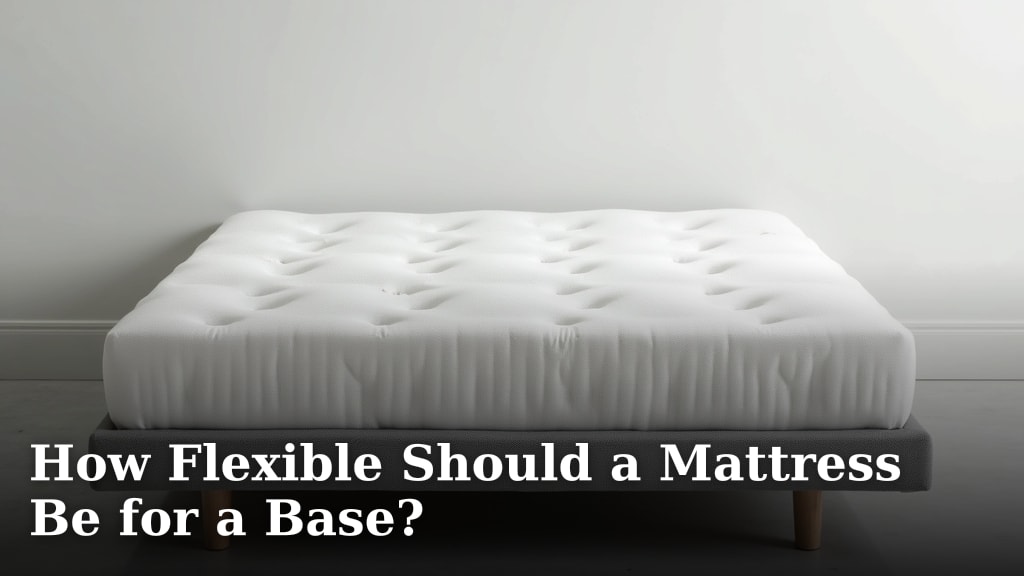
The ideal mattress flexibility for a base depends on the base type. Generally, your mattress should be flexible enough to bend slightly without damaging its structure, but not so flimsy that it offers poor support. For slatted bases, look for a mattress that can comfortably flex over the gaps, while solid bases require a mattress that doesn’t need much airflow from beneath. We found that the right mattress-base match is key for durability and comfort.
Understanding how much a mattress should bend is important for its longevity and your sleep quality. A mattress that’s too stiff might not adapt well to slatted bases, potentially leading to strain. Conversely, a mattress that’s too soft might sag on any base, regardless of its design. We’ve researched how different mattress types and bases interact to give you the best sleep experience. Choosing the correct flexibility prevents premature wear and tear.
- Mattress flexibility needs vary by base type.
- Slatted bases require some mattress bend.
- Solid bases need mattresses that support themselves well.
- The goal is support without damaging the mattress.
- Proper pairing ensures mattress longevity and comfort.
Let’s walk through exactly how mattress flexibility plays a role with different types of bed bases so you can make the best choice for your bedroom.
How Much Flex Does Your Mattress Need for Different Bases?
You’ve got your new bed base, and now it’s time for the mattress. But how bendy should it be? It’s a question that doesn’t get enough airtime, but it’s super important. We’ve researched this, and the answer really boils down to the type of bed base you choose. Too stiff, and it might not work well. Too flimsy, and you’ll have a sagging mess.
Think of it like this: your mattress needs to work with the base, not against it. A mattress that’s too rigid can feel uncomfortable on certain bases and might even get damaged over time. On the flip side, a mattress that’s excessively soft might just collapse, no matter how good the base is. Our findings suggest that the right mattress-base pairing is key for both comfort and making your mattress last.
Understanding Mattress Flexibility and Its Importance
When we talk about mattress flexibility, we mean how easily it can bend or contour. Some mattresses are designed to be firm and supportive, offering minimal give. Others are made to be softer and more yielding. The ideal level of flexibility ensures your mattress can support your body properly while also working well with the structure of your bed base. This balance is what prevents aches and pains and keeps your mattress in good shape.
Why Mattress Bend Matters
A mattress needs to have some give to properly contour to your body, especially if you’re a side sleeper. This contouring helps distribute your weight evenly, relieving pressure points. When paired with the right base, this flexibility is enhanced. However, too much flexibility, or flexibility in the wrong places, can lead to a lack of support, causing your spine to misalign.
We found that a mattress’s ability to flex is directly related to its internal construction. Innerspring mattresses, for example, tend to be more flexible than all-foam mattresses. But even within foam mattresses, there’s a range of firmness and flexibility. The goal is to find a mattress that offers adequate support and comfort without compromising the integrity of its structure when placed on your chosen base.
The Role of the Bed Base
The base you choose significantly impacts how your mattress performs. Some bases are solid platforms, while others have slats or a box spring. Each type interacts differently with a mattress’s flexibility. A base that’s too rigid might not allow a firmer mattress to contour properly. Conversely, a base with wide gaps might not adequately support a very flexible mattress, leading to sagging in between the supports.
Many experts recommend that your mattress should be able to bend slightly without feeling like it’s breaking or losing its shape. This gentle flex allows it to adapt to the base and your body. We found that when a mattress and base are well-matched, the mattress feels more supportive and comfortable. It’s a partnership where both components work together to provide a great sleep surface.
Mattress Flexibility for Different Base Types
Slatted Bed Bases
Slatted bases are very common and come in various designs. The slats can be made of wood or metal and are spaced apart. This design allows for some airflow, which is good for keeping your mattress cool. However, the gaps between the slats mean your mattress needs to be flexible enough to bridge these spaces.
What Works Best with Slats?
For slatted bases, a mattress that offers a good balance of support and flexibility is ideal. We found that mattresses with at least medium firmness tend to work well. They have enough structure to not sag too much between the slats but are also pliable enough to contour over them. Mattresses that are too stiff might create pressure points on the slats, and over time, this can damage the mattress or even cause the slats to break.
The distance between the slats also matters. If the gaps are wider than 3 inches, you might need a mattress that’s a bit firmer or has a solid foundation like a bunkie board underneath. Many manufacturers of mattresses for slatted bases suggest that the mattress should be able to bend slightly across the gaps without deforming. This is a good rule of thumb we’ve seen recommended by sleep product specialists.
What to Avoid with Slats
Extremely soft, unsupportive mattresses might sag excessively between the slats. This can lead to poor spinal alignment and discomfort. We found that very old innerspring mattresses with worn-out coils can also be problematic. They might not have enough structural integrity to hold their shape over the gaps. It’s crucial that the mattress maintains its form and provides even support across the entire surface.
Solid Platform Bases and Foundations
Solid bases, often called platform beds or solid foundations, offer a continuous, flat surface for your mattress. This means there are no gaps for the mattress to fall through or sag into. Because the surface is solid, the mattress itself needs to provide all the necessary support. Airflow can be a concern with these bases, so some have ventilation holes.
What Works Best with Solid Bases?
With a solid base, the mattress primarily needs to offer excellent support and comfort on its own. Flexibility is still important for contouring to your body, but the mattress doesn’t need to ‘bridge gaps’. We found that many types of mattresses, including memory foam, latex, and hybrid models, perform well on solid bases. The key is ensuring the mattress has sufficient density and support layers.
If you choose a very firm mattress, it might feel even firmer on a solid base because there’s no give from below. If you prefer a softer feel, a mattress with more cushioning layers would be a better choice. We’ve learned that mattress manufacturers often specify what type of base their product is best suited for. Always check those recommendations.
What to Avoid with Solid Bases
The main concern with solid bases is ventilation. Mattresses that are too dense or designed to trap heat might become uncomfortably warm on a solid platform. While flexibility isn’t usually a problem for the mattress’s structure on these bases, a mattress that’s too soft might still sag in the middle over time due to body weight. This is less about the base and more about the mattress’s internal support system.
Box Springs and Adjustable Bases
Box springs are traditional bases, often found with innerspring mattresses. They have a frame with springs or metal grids inside to provide some cushioning and support. Adjustable bases, on the other hand, allow you to change the position of your mattress, often by elevating the head and foot. Both have unique requirements for mattress flexibility.
Box Springs
Box springs are designed to work with mattresses that are somewhat flexible. They provide a supportive yet slightly yielding surface. Many older innerspring mattresses pair well with box springs. We found that a mattress that can bend slightly provides good pressure relief when combined with the cushioning effect of the box spring. However, a mattress that is too rigid might not benefit as much from the box spring’s structure.
Adjustable Bases
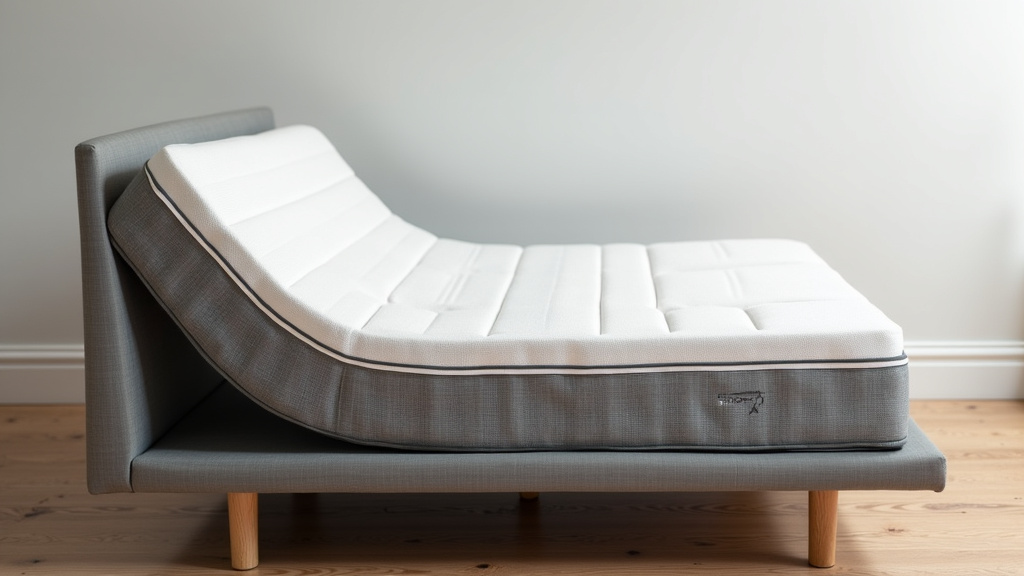
Adjustable bases require mattresses that are specifically designed to be flexible and durable enough to bend repeatedly without damage. All-foam mattresses and many hybrid mattresses are excellent choices for adjustable bases because they can flex easily. Mattresses with very rigid coils or pillow tops that are not securely attached might not hold up well to repeated bending. We found that checking the manufacturer’s guidelines is essential here, as many explicitly state if a mattress is compatible with adjustable bases. Our guide to what adjustable bases do explains their function and benefits.
Choosing the Right Mattress Flexibility: A Quick Checklist
To help you decide, here’s a simple checklist to consider when thinking about your mattress’s flexibility for its base:
- Does your base have slats or is it solid?
- Are the slats spaced more than 3 inches apart?
- Do you prefer a firmer or softer sleeping surface?
- Is your mattress designed for frequent bending (like for an adjustable base)?
- Have you checked the mattress manufacturer’s recommendations for base types?
By considering these points, you’re well on your way to finding a mattress that will feel just right on your chosen bed base. It’s all about getting that perfect, supportive combination for your best night’s sleep.
Conclusion
Finding the right mattress flexibility for your base is key for comfort and durability. We’ve learned that your base type significantly influences how much your mattress should bend. Slatted bases need a mattress that can flex slightly over gaps, while solid platforms require a mattress that supports itself well. For adjustable bases, flexibility is paramount for repeated bending. By matching your mattress’s pliability to your base’s needs, you’ll ensure a supportive sleep surface that lasts. Your next step is to check your base type and then consider mattress materials and firmness that align with its requirements.
Frequently Asked Questions
Will my current mattress work with a new bed base?
It depends on both your current mattress and the new base. If your mattress is very old or already sagging, it might not perform well on any base. If it’s in good condition, we’ve found it’s often compatible, but it’s wise to check if your mattress manufacturer has specific base recommendations.
Can a mattress be too flexible for a base?
Yes, a mattress can be too flexible, especially for slatted bases with wide gaps. If a mattress bends too much, it can sag between the slats, leading to poor support and potential damage over time. We found that mattresses need a good balance of support and pliability.
Does mattress firmness relate to flexibility?
Often, yes. Firmer mattresses tend to be less flexible, while softer ones are generally more pliable. However, a mattress’s construction plays a bigger role than just firmness. For example, some firm hybrid mattresses are designed to be flexible enough for adjustable bases.
What is the ideal slat spacing for a mattress?
We found that slat spacing of 3 inches or less is generally recommended for most mattresses. If your slats are spaced further apart, you might need a mattress that is firmer or consider adding a bunkie board to provide more support.
How do I know if my mattress is compatible with an adjustable base?
Adjustable bases require mattresses specifically designed to bend. We’ve seen that all-foam and many hybrid mattresses are typically compatible. Always check the mattress manufacturer’s product details or warranty information; they will usually state if a mattress is approved for use on an adjustable base.