How Thick Can a Mattress Be for an Adjustable Base?

Generally, most mattresses can be Generally, most mattresses can be compatible with an adjustable base.12 inches thick or less to work well with an adjustable base. Thicker mattresses, like 14 inches or more, may struggle to bend properly. This can limit the adjustable base’s movement and potentially damage it over time. Always check your adjustable base manufacturer’s recommendations for maximum mattress thickness.
When choosing a mattress for your adjustable bed, you want one that’s flexible enough to move with the base. This means looking for mattresses made with materials that can bend easily, such as memory foam or latex. Even some hybrid mattresses can work, as long as they aren’t too rigid or overly thick, typically staying within that 12-inch sweet spot for optimal performance and longevity of your adjustable base.
- Mattresses up to 12 inches thick usually work best.
- Thicker mattresses can prevent the base from moving correctly.
- Check your adjustable base’s manual for specific limits.
- Memory foam and latex mattresses tend to be most flexible.
- Ensure your mattress can bend without damage.
Let’s break down exactly how mattress thickness impacts your adjustable base and what to look for.
Understanding Mattress Thickness and Adjustable Bases
Your adjustable bed frame is designed to move and flex. It needs a mattress that can move with it. But how thick can your mattress be before it causes problems? We found that generally, most adjustable bases work best with mattresses that are 12 inches thick or less. This isn’t a hard and fast rule for every single base, but it’s a great starting point.
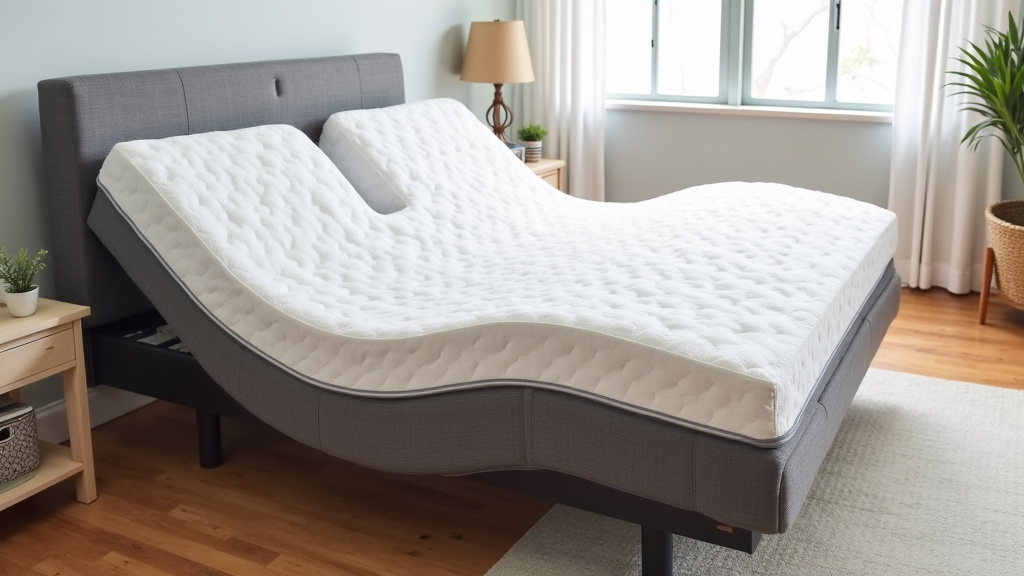
Why does thickness matter so much? Think about bending a thick book versus a thin magazine. The magazine bends easily. The book is stiff and might even crack if you force it. A mattress works similarly. Too thick a mattress can fight the bending motion of the adjustable base. This can put strain on both the mattress and the base itself.
The Ideal Mattress Thickness Range
So, what’s the sweet spot for mattress thickness on an adjustable base? We’ve seen that mattresses between 8 and 12 inches thick tend to perform the best. They offer enough support and comfort for most sleepers. They also have the flexibility needed to bend smoothly with the base.
What about mattresses that are thinner than 8 inches? While they will certainly bend, they might not provide adequate cushioning or support. You might find yourself feeling the frame underneath. It’s a balance. You need flexibility without sacrificing comfort. For most people, that range hits the mark.
Mattresses Thicker Than 12 Inches: Potential Issues
If you’re eyeing a mattress that’s 13 inches or more, you need to be extra cautious. These thicker models can be luxurious and plush. However, their bulk can make them less adaptable. They might not bend enough when the head or foot of your adjustable base rises. This can lead to a few problems.
One common issue is that the mattress might bunch up or create gaps. Imagine your base lifting the head, and your thick mattress just doesn’t bend at the crease. You could end up with an uncomfortable ridge. This can affect your sleeping posture and overall comfort.
Strain on the Adjustable Base Motor
The motors in adjustable bases have a weight limit and a motion limit. When a mattress is too thick and rigid, it forces the motors to work harder. They have to push against something that isn’t bending easily. We found that this prolonged strain can shorten the lifespan of the motors. Over time, this could lead to costly repairs or premature failure. It’s like constantly asking your car to climb a steep hill in too high a gear.
Reduced Base Functionality
Another consequence is that the base might not achieve its full range of motion. If the mattress can’t bend properly, it might stop the base from lifting as high as it’s designed to. You could lose access to certain positions that you bought the adjustable base for in the first place. This defeats the purpose of having an adjustable bed!
Mattress Types and Their Flexibility
The material your mattress is made from plays a huge role in how well it works with an adjustable base. Some materials are naturally more flexible than others. Knowing this can help you pick the right one.
Memory Foam Mattresses
Memory foam is often considered the champion of flexibility for adjustable bases. Why? Because it’s designed to contour and respond to pressure. This means it bends quite easily without losing its shape. Most all-foam memory foam mattresses, even those up to 12 inches thick, tend to work very well. They mold to the curves of the adjustable base, providing a smooth transition.
Latex Mattresses
Latex is another fantastic option. It’s known for its responsiveness and durability. Natural latex, in particular, is quite flexible. It has a bouncier feel than memory foam, but it still bends well. Like memory foam, latex mattresses up to 12 inches are generally a safe bet. They offer great support and comfort while moving harmoniously with your adjustable base.
Hybrid Mattresses
Hybrid mattresses combine an innerspring system with comfort layers of foam or latex. This is where thickness and construction can become more critical. A hybrid with a low-profile coil system and thinner foam layers might work perfectly. However, a hybrid with thick comfort layers and a robust coil unit might be too stiff, especially if it’s on the thicker side.
Coil Count and Gauge Matters
For hybrid mattresses, the type of coils used is important. Pocketed coils generally offer more flexibility than traditional interconnected coils. Also, consider the coil gauge. A lower gauge number means thicker wire, which can make the coil system stiffer. We found that hybrids designed with adjustable bases in mind often use more flexible coils.
The Foam/Latex Layer Thickness
Even in hybrids, the thickness of the foam or latex comfort layers is key. If these layers are very dense or very thick, they can reduce the mattress’s overall flexibility. You’ll want to look for hybrids where these layers are designed to work with motion, not resist it. Often, manufacturers will specify if a hybrid is suitable for an adjustable base.
Innerspring Mattresses
Traditional innerspring mattresses are usually the least compatible with adjustable bases. Their rigid coil structure and lack of contouring ability make them very stiff. When an innerspring mattress bends, it can put significant stress on the coils and the frame. While some thinner, more flexible innerspring models might exist, we generally recommend avoiding them for adjustable bases.
What the Manufacturers Say: Your Best Guide
The absolute best advice we can give you comes directly from the source: your adjustable base manufacturer. They know their product inside and out. They design their bases with specific capabilities in mind.
Most manufacturers will include guidelines in the user manual. This manual will often specify a maximum recommended mattress thickness. They might also list acceptable mattress types. Some brands even have a list of mattresses they’ve tested and approved for use with their bases.
If you can’t find the manual, don’t hesitate to contact their customer support. A quick call or email can save you a lot of potential headaches down the road. They can tell you precisely what their adjustable base can handle. This is crucial information for making an informed purchase.
Checking Compatibility Before You Buy
When you’re shopping for a new mattress to go with your adjustable base, keep these points in mind. It’s not just about comfort; it’s about making sure your new mattress and base work well together.
| Mattress Thickness | Typical Compatibility | Potential Issues |
|---|---|---|
| Under 8 inches | May lack support/comfort. Will bend easily. | Not enough cushioning. May feel the base. |
| 8-12 inches | Generally the best range. Flexible and supportive. | Minimal, if well-constructed. |
| 12-14 inches | Can work, but check specifics. Depends on material. | Might be too stiff. Strain on base motor. |
| Over 14 inches | Usually not recommended. High risk of problems. | Will likely resist bending. Damage to base possible. |
Remember, this table offers general guidance. Always verify with your specific adjustable base manufacturer’s recommendations.
Tips for Choosing Your Mattress Wisely
To make sure you get the perfect mattress for your adjustable base, try following this quick checklist:
- Check the manual: Always look for the maximum thickness your base can handle.
- Consider mattress material: Memory foam and latex are usually the most flexible.
- Read product descriptions: Many mattress companies now state if their mattress is adjustable base friendly.
- Inquire about coil type: For hybrids, look for pocketed coils and a flexible design.
- Don’t go too thick: Stick to 12 inches or less if you want the safest bet.
- Ask the seller: If you’re unsure, ask a sales representative for advice.
Conclusion
Choosing the right mattress thickness for your adjustable base is key for both comfort and longevity. We’ve found that sticking to mattresses between 8 and 12 inches thick is your safest bet for flexibility and performance. Thicker options can strain your base and reduce its functionality, while very thin ones might lack support. Always prioritize checking your adjustable base manufacturer’s guidelines before you buy. Your next step should be to review the specifications of any mattress you’re considering and compare them to your adjustable base’s limits. This ensures you get a setup that moves with you for years to come.
Frequently Asked Questions
Will a 13-inch mattress work on my adjustable base?
A 13-inch mattress might work, but it’s on the thicker side and could present issues. We recommend checking your adjustable base manual for its maximum recommended thickness. If it’s not specified, a mattress this thick may not bend easily, potentially straining the base’s motor or limiting its movement. It’s often best to aim for 12 inches or less for guaranteed compatibility.
Can I use my old innerspring mattress on an adjustable base?
Generally, traditional innerspring mattresses are not recommended for adjustable bases. Their rigid coil construction makes them stiff and less likely to bend smoothly. This can put excessive stress on both the mattress and the base. If your innerspring mattress is very thin and seems flexible, it might work, but foam or latex options are far more suitable.
What happens if my mattress is too thick for the adjustable base?
If your mattress is too thick, it can prevent the adjustable base from moving correctly. You might notice the base not lifting as high as it should, or the mattress bunching up uncomfortably. The motors may also work harder than intended, which could lead to premature wear and tear or even damage over time. It defeats the purpose of having an adjustable bed if it can’t move properly.
Are all memory foam mattresses compatible with adjustable bases?
Most all-foam memory foam mattresses are highly compatible with adjustable bases, especially if they are 12 inches thick or less. Memory foam is naturally flexible and contours well to the base’s movements. However, always double-check the product description to confirm it’s listed as adjustable base friendly, as some very dense or uniquely constructed memory foam mattresses might be an exception.
How do I know if a mattress is designed for adjustable bases?
Many mattress brands now clearly state if their mattresses are designed to work with adjustable bases. Look for labels like “adjustable base friendly” or “compatible with adjustable beds” in the product description or on the mattress tag. If you’re unsure, contacting the manufacturer or retailer directly is always a good idea. They can confirm its suitability.