Can a Mattress Topper Be Used on an Adjustable Base?

Yes, you absolutely can use a mattress topper on an adjustable base, but there are a few things to consider. The key is to ensure your mattress topper works well with the movement of your adjustable bed. Not all toppers are created equal when it comes to being flexible. Our guide explains how an adjustable base works and its benefits.
Using the right mattress topper can actually enhance your comfort on an adjustable base. It’s all about finding one that’s flexible enough not to hinder the base’s functions. We’ve researched what works best for this setup.
- Most mattress toppers work with adjustable bases.
- Look for flexible materials like latex or memory foam.
- Avoid very thick or rigid toppers.
- A topper can add extra comfort to your adjustable bed.
- Check manufacturer recommendations if unsure.
Let’s break down how to choose the best mattress topper for your adjustable bed and what to watch out for.
Mattress Toppers and Adjustable Beds: A Perfect Match?
You might be wondering if your new adjustable bed base can handle a mattress topper. The good news is, most mattress toppers are perfectly fine to use with an adjustable base. Your adjustable bed is designed to bend and move, and a flexible topper will move right along with it. It’s like giving your adjustable bed a little extra hug for comfort.
The main thing to keep in mind is flexibility. If a topper is too stiff or too thick, it might resist the bed’s movements. This could potentially cause issues for the motor or make the bed’s adjustments less smooth. We’ve looked into what makes a topper a good partner for an adjustable base.
Understanding How Adjustable Bases Work
Adjustable bases work by using a motor to raise or lower different parts of the bed. Usually, this includes the head and foot of the bed. This allows you to find the perfect position for sleeping, reading, or watching TV. They are designed to bend, not break, at specific points. You might also find a zero gravity position beneficial for comfort and circulation.
Think of it like your spine. It can bend and flex. Your adjustable bed frame is built similarly. It has pivot points that allow it to change shape safely and effectively. The mattress needs to be able to follow these bends without fighting against them.
The Science Behind the Bend
Adjustable bases often have a deck that is designed to articulate. This means it has sections that lift and fold. The mattress on top needs to be able to compress and expand easily in these areas. A topper is essentially an extra layer on top of your mattress.
If your mattress is already a bit stiff, adding a very rigid topper might create a barrier. This barrier could stop the mattress from bending properly. This is why material choice for your topper is important for an adjustable setup.
Choosing the Right Mattress Topper Material
When selecting a mattress topper for your adjustable bed, the material makes a big difference. Some materials are naturally more flexible than others. This flexibility is key to ensuring your adjustable bed functions as it should.
Memory Foam Toppers: The Flexible Favorite
Memory foam is often a top choice for adjustable beds. High-quality memory foam is designed to contour to your body. It also has a natural ability to bend and flex. This makes it an excellent companion for an adjustable base.
When the bed shifts, the memory foam topper will compress and expand with your mattress. It won’t fight the movement. You’ll still get that lovely cradling feeling without compromising the bed’s function. We found that most types of memory foam toppers work well.
Density Matters
The density of memory foam can play a role. While most densities work, ultra-high-density foams might be slightly less pliable. However, for the most part, the inherent flexibility of memory foam usually wins out. Even a denser foam will typically bend enough for adjustable bases.
Latex Toppers: Another Great Option
Latex toppers are another fantastic choice for adjustable bases. Latex is known for its responsive and buoyant feel. It’s also very durable and breathable. Crucially, it’s highly flexible.
Latex toppers naturally spring back into shape. They can handle repeated bending and movement with ease. This resilience means they won’t get permanently creased or damaged by the adjustable base’s actions. Many latex toppers are made from natural rubber, which is very pliable.
Natural vs. Synthetic Latex
Both natural and synthetic latex toppers tend to be flexible. Natural latex, derived from rubber trees, often has a slightly more elastic feel. Synthetic latex is also engineered for flexibility. Either type can work well, but check reviews for specific brand flexibility.
What About Other Materials?
Other materials might be less ideal. For instance, very thick, dense, or rigid toppers could cause problems. Some fiberfill or older-style foam toppers might not have the necessary flexibility.
If a topper feels stiff to the touch, or if it doesn’t easily bend when you try to fold it, it might not be the best choice. A topper that resists bending can strain the adjustable base’s motor over time. This could lead to premature wear and tear on your bed.
Topper Thickness: Finding the Sweet Spot
The thickness of your mattress topper is also a factor. Generally, thinner to medium-thickness toppers are best. We found that toppers between 2 and 4 inches thick often provide the ideal balance.
Why Thickness Matters for Movement
A very thick topper, say 5 or 6 inches, might be too bulky. It could add too much resistance to the bending motion of the adjustable base. Imagine trying to fold a thick blanket; it’s much harder than folding a thin one.
A thinner topper is more likely to move with the mattress and the base. It adds comfort without creating an obstacle. It allows the adjustable base to do its job effectively. A 3-inch memory foam or latex topper is usually a safe bet.
Checking Manufacturer Guidelines
Before you buy, it’s always a good idea to check what the adjustable bed manufacturer recommends. Many manufacturers will specify if there are any limitations on mattress toppers.
Sometimes, they might suggest certain types of toppers or warn against others. This information is usually found in your bed’s manual or on their website. Following these guidelines can help protect your investment. It ensures you get the best performance from your adjustable base.
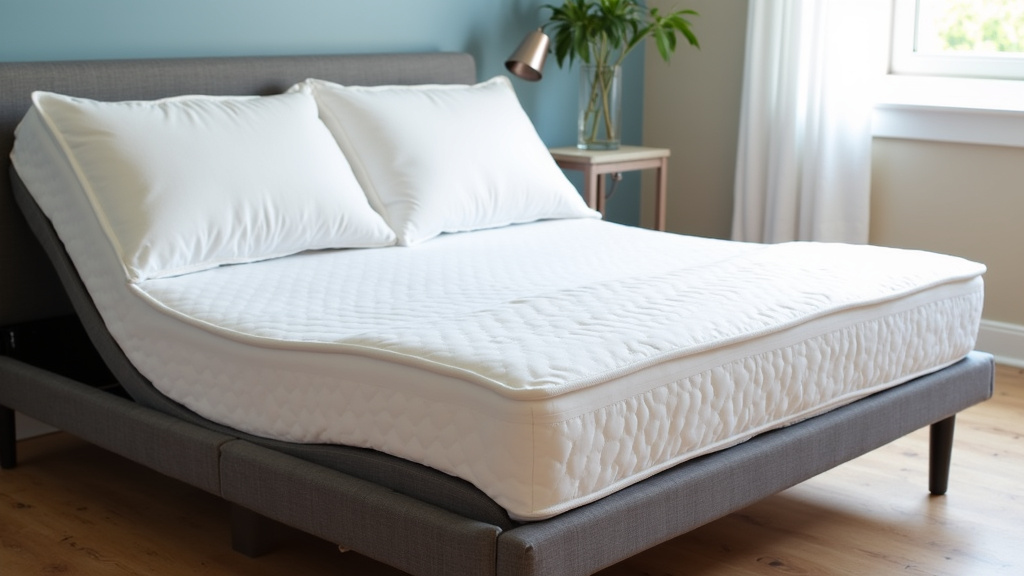
Benefits of Using a Topper on an Adjustable Bed
Using a mattress topper can actually improve your experience with an adjustable bed. It’s not just about compatibility; it’s about enhancing comfort and addressing specific needs.
Adding Extra Comfort and Support
Your current mattress might be a bit too firm or too soft. A topper can be the perfect solution to fine-tune the feel. A soft memory foam topper can add a plush layer to a firm mattress. A firmer latex topper can provide more support to a sinking mattress.
This customisation is especially helpful when you’re spending more time in bed in different positions. Whether you’re sitting up to read or lying flat, a well-chosen topper can make a big difference in how comfortable you feel.
Addressing Specific Sleep Issues
Adjustable beds are great for issues like acid reflux, snoring, or back pain. A topper can work in tandem with these adjustments. For example, a supportive topper can help maintain spinal alignment even when you’re in an elevated position.
Many people find that a topper helps them achieve even deeper sleep. It adds that personal touch to their sleep environment. It’s like adding a cloud to an already great foundation.
Potential Drawbacks to Consider
While generally safe, there are a couple of things to be mindful of. As mentioned, a rigid or overly thick topper is the main concern. It can hinder movement and potentially damage the bed’s mechanism over time.
Another point is that some very soft toppers might not offer enough support when the bed is significantly adjusted. If you’re in a steep recline, you want to feel supported, not like you’re sinking too much. This is where finding the right balance of firmness and flexibility is key.
Warranty Concerns
Always check your adjustable base warranty. Some manufacturers might state that using a topper could void the warranty if it causes damage. This is rare, but it’s worth confirming. Usually, if the topper is flexible and doesn’t interfere with the bed’s operation, you’re in the clear.
Checklist: Is Your Topper Adjustable-Bed Ready?
Before you place your topper on the adjustable base, run through this quick checklist:
- Is the topper made of flexible material like memory foam or latex?
- Is the topper 4 inches thick or less?
- Does the topper bend easily without feeling stiff?
- Does the topper feel like it will move with your mattress and the base?
- Have you checked your adjustable bed’s manual for topper recommendations?
If you answered yes to most of these, you’re likely good to go! You can enjoy the added comfort your topper provides.
Tips for the Best Experience
To ensure the best results, consider a few extra tips. Make sure your topper fits your mattress snugly. A topper that shifts around can be annoying. Using a topper with straps or a skirt can help keep it in place.
Also, give your topper some time to air out. New foam or latex can sometimes have a slight odor. Letting it breathe in a well-ventilated room for a day or two usually resolves this. Then, place it on your mattress and let the adjustable base work its magic.
Conclusion
You absolutely can use a mattress topper with your adjustable base! The key is choosing a topper made from flexible materials like memory foam or latex. These materials move with your bed’s adjustments, ensuring you don’t strain the motor. A topper can really boost your comfort and customize your sleep experience on your adjustable bed. Just keep thickness and rigidity in mind, and check your base’s manual if you’re unsure. Now you’re ready to find the perfect topper to complete your adjustable bed setup!
Frequently Asked Questions
Will a thick mattress topper damage my adjustable bed?
A very thick or rigid topper could potentially cause issues. It might make it harder for the bed to bend, possibly straining the motor over time. We recommend toppers that are 4 inches thick or less, and made of flexible materials.
Can I use a memory foam topper on an adjustable bed?
Yes, memory foam toppers are generally an excellent choice for adjustable bases. They are known for their flexibility and ability to contour. This allows them to bend and move easily with the adjustable base without resistance.
What if my current mattress is already firm?
If your mattress is firm, a flexible topper can add a welcome layer of comfort and pressure relief. Just make sure the topper itself is pliable, like latex or memory foam, so it doesn’t add rigidity to the overall setup.
Does topper thickness really matter for an adjustable base?
Yes, thickness is important for how well a topper works with an adjustable base. Thinner toppers (around 2-4 inches) are less likely to create resistance against the bed’s bending motion. Thicker toppers might make the adjustments feel stiffer or less smooth.
Can using a topper void my adjustable bed’s warranty?
It’s possible, but unlikely if you choose wisely. Some warranties might be voided if a topper causes damage by being too rigid or thick. Always check your adjustable base’s manual for specific guidelines on toppers.