How to Secure Adjustable Base Legs? Signs and Solutions

You can absolutely secure adjustable base legs to prevent wobbling and ensure stability. The best method involves using locking nuts or straps to firmly attach the legs to the frame. This simple fix stops those annoying shifts and keeps your bed steady.
Adjustable bed bases are fantastic for comfort and health. But when the legs feel loose, it can be a real bummer. Finding out why your adjustable base legs are wobbly is the first step. Then, you can apply a fix to enjoy a stable and peaceful sleep without any unwanted movement.
- Loose adjustable base legs can be fixed.
- Use locking nuts or straps for security.
- Check for signs of wear or loose parts.
- Simple solutions can bring back bed stability.
- Enjoy a quiet, stable sleep again.
Let’s walk through the common signs of loose adjustable base legs and the easiest ways to secure them, so you can get back to snoozing soundly.
Troubleshooting Wobbly Adjustable Base Legs: Signs and Fixes
It’s incredibly frustrating when your adjustable bed base starts to feel unstable. That slight wobble or annoying shift can really disrupt your sleep. You invested in an adjustable base for better rest, not for a rocking sensation! Luckily, most of these issues stem from simple causes. You can often fix wobbly legs yourself with a few basic steps. We’ll help you identify the problem and show you how to secure your adjustable base legs effectively.
Common Signs Your Adjustable Base Legs Need Securing
Before you can fix a problem, you need to know what you’re looking for. Several signs indicate your adjustable base legs might be loose or require attention. Paying attention to these cues will help you pinpoint the exact issue. This makes finding the right solution much easier.
The Wobble Factor: What Does It Feel Like?
The most obvious sign is, of course, a wobble. Does your bed shift when you lie down or move around? You might notice a slight rocking motion. This can happen even if you’re just sitting on the edge of the bed. It often feels like the entire base isn’t as solid as it used to be. Sometimes, it’s a persistent creaking sound that accompanies movement.
Visual Clues: What to Look For
Get down and take a good look at your adjustable base legs. Are any of them visibly loose? You might see a gap between the leg and the frame where it attaches. Sometimes, a leg might appear slightly crooked or out of alignment. Check if the bolts or screws holding the legs in place look loosened or damaged. Even a slight tilt can indicate a problem.
Sound Check: Listen to Your Bed
Does your adjustable base make noise when you adjust it? Grinding, squeaking, or knocking sounds can mean something is loose. These sounds aren’t just annoying; they’re often your bed’s way of telling you it needs some attention. A stable base should operate smoothly and quietly.
Why Do Adjustable Base Legs Become Loose?
Several factors can contribute to adjustable base legs losing their secure fit. Understanding these reasons helps you prevent future issues. Most of the time, it’s just a matter of normal wear and tear or simple oversight during setup.
Initial Setup Issues
Sometimes, the problem starts right at the beginning. If the legs weren’t tightened properly during the initial assembly, they’ll likely become loose over time. This is a common oversight, especially if you’re eager to start using your new bed. Double-checking all connections after assembly is always a good idea.
Vibration and Movement
Your adjustable base, like any piece of furniture, experiences minor vibrations. Everyday movements, like getting in and out of bed or adjusting its position, can gradually loosen fasteners. Over months and years, these small movements can add up. This is particularly true if you have a very active sleep style.
Uneven Weight Distribution
If you tend to put more weight on one side of the bed, it can cause uneven stress on the legs. This uneven pressure might lead to certain legs becoming looser than others. A balanced sleeping surface is key for stability. Always try to distribute your weight as evenly as possible.
Wear and Tear on Components
Like any mechanical part, the components that attach the legs can wear down. Threads on bolts can strip, or locking mechanisms can become less effective over time. If your base is several years old, wear and tear are natural contributors to looseness. Inspect these parts for visible damage.
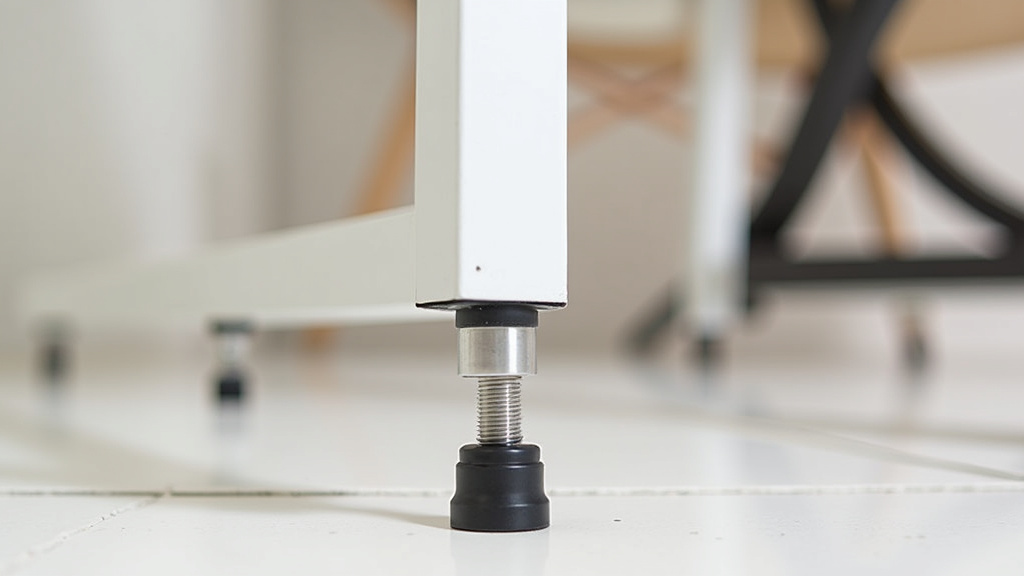
How to Secure Adjustable Base Legs: Step-by-Step Solutions
Now that you know the signs and causes, let’s get down to fixing those wobbly legs. The good news is that most solutions are straightforward and don’t require special tools. You can likely get your adjustable base back to its stable, quiet state in no time.
Step 1: Assess the Situation and Gather Supplies
First, identify which leg or legs are loose. Gently try to wiggle each leg to confirm. Once you’ve found the culprit, determine how it’s attached. Most adjustable bases use bolts and nuts, or sometimes screws. You might need a wrench, screwdriver, or pliers. It’s also a good idea to have some thread-locking compound on hand, especially for bolts.
Step 2: Tighten Existing Fasteners
This is the simplest fix. If you see bolts or screws, try tightening them. Use the appropriate tool – a wrench for nuts and bolts, a screwdriver for screws. Turn them clockwise until they are snug. Don’t overtighten, as this can strip the threads. Just make them firmly secure. Check all legs, even if only one seems loose, as others might be close to loosening.
Step 3: Using Locking Nuts for Extra Security
If standard nuts and bolts keep loosening, consider using locking nuts. These nuts have a nylon insert or a deformed thread that helps prevent them from vibrating loose. You can buy these at most hardware stores. You’ll need to know the size of your existing bolts to get the correct locking nuts. Replace the standard nut with a locking nut. This is a highly effective way to keep legs secure.
Step 4: Employing Thread-Locking Compound
Another excellent option is a thread-locking compound, often called “Loctite” (though that’s a brand name). You apply a small amount of this liquid to the bolt threads before screwing it in. It hardens and creates a strong bond, preventing vibrations from loosening the fastener. There are different strengths; a medium-strength one is usually sufficient for bed legs. It allows for disassembly later if needed.
Step 5: Using Straps for Added Stability (Less Common, but Possible)
In some cases, especially with modular adjustable bases, you might find you can use strong velcro straps or zip ties. This is less common for the main legs but can be useful for securing accessory parts or if a specific attachment point is difficult to bolt down. Ensure the straps are heavy-duty and securely fastened. This method is generally a secondary fix if other options are limited.
Step 6: Checking and Replacing Worn Parts
If tightening doesn’t help, or if parts look damaged, you may need to replace them. Look for stripped bolt threads, cracked leg components, or worn-out attachment points on the base frame. Contact the manufacturer for replacement parts if necessary. They can often provide specific components designed for your model. Never try to force damaged parts.
Preventative Maintenance for a Stable Sleep
Once you’ve secured your adjustable base legs, you’ll want to keep them that way. A little bit of regular maintenance can save you a lot of hassle later. Think of it like routine car maintenance – small checks prevent big problems.
Here’s a quick checklist to keep your adjustable base stable:
- Regularly inspect leg attachments every 6 months.
- Tighten any loose bolts or screws you find.
- Listen for unusual noises when adjusting the base.
- Avoid jumping or excessive force on the bed frame.
- Check for even wear on all four legs.
- Contact the manufacturer if parts appear damaged.
By following these simple checks, you help ensure your adjustable base remains a source of comfort, not a cause of frustration. A stable bed means more restful sleep for you. This routine maintenance can extend the life of your adjustable base significantly.
Conclusion
You’ve learned how to tackle those wobbly adjustable base legs head-on. It’s usually a simple matter of spotting the signs—like wobbles, gaps, or strange noises—and applying the right fix. Whether it’s tightening existing bolts, using locking nuts, or adding thread-locking compound, you have the power to restore your bed’s stability. Don’t let a loose leg disrupt your sleep any longer. Take a few minutes this week to inspect your base and make any necessary adjustments. Your peaceful, stable sleep is just a few simple steps away.
Frequently Asked Questions
How often should I check my adjustable base legs?
We recommend checking your adjustable base legs at least every six months. This regular inspection helps catch any potential loosening before it becomes a major issue. It’s a small bit of effort that ensures your bed remains stable and quiet for years to come.
Can I use WD-40 to stop squeaking legs?
WD-40 isn’t ideal for most mechanical parts on an adjustable base, especially for long-term solutions. It’s more of a lubricant and water displacer. For squeaking, check for loose connections first. If the base frame itself is squeaking, a silicone-based lubricant applied sparingly to metal-on-metal contact points might help.
What if the legs seem damaged and not just loose?
If you notice any cracks, bent parts, or stripped threads on your adjustable base legs or their mounting points, it’s time to look for replacement parts. Your adjustable base’s manufacturer is the best source for specific components designed for your model. Trying to force damaged parts can lead to bigger problems.
Do all adjustable bases use the same type of bolts?
No, adjustable bases can vary significantly in their hardware. While many use standard bolts and nuts, the size, thread type, and even the material can differ between brands and models. It’s always best to inspect your existing fasteners before heading to the hardware store for replacements or locking nuts.
Can overtightening bolts damage my adjustable base?
Yes, overtightening bolts can definitely cause damage. You risk stripping the threads on the bolt or within the frame itself, making it impossible to get a secure fit. It can also stress and crack plastic components. Always tighten fasteners until they are snug and firm, but avoid excessive force.