What Is Inside an Adjustable Bed Base? A Closer Look

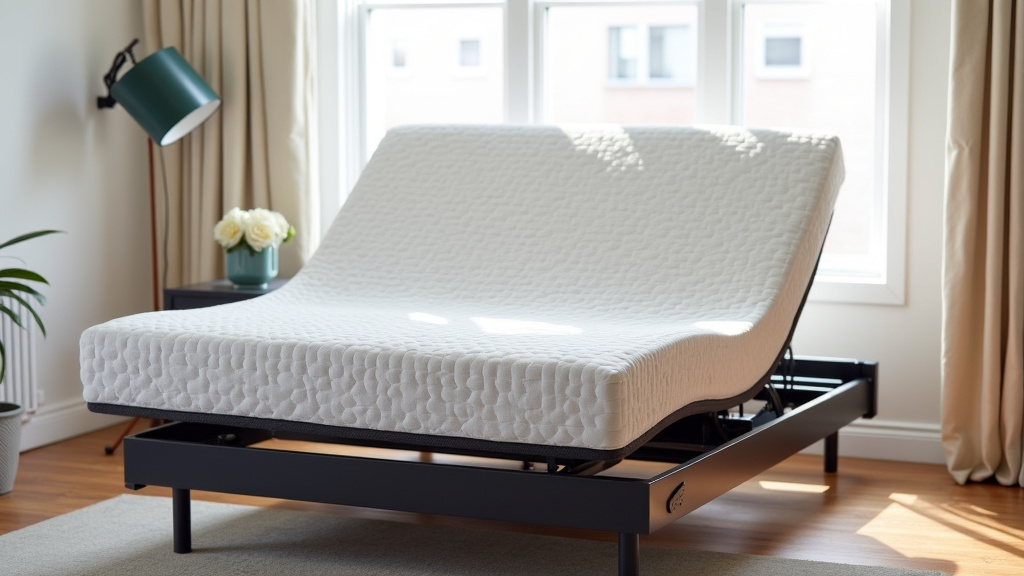
Inside an adjustable bed base, you’ll find a system of motors, a metal frame, and control electronics. These components work together to lift and tilt your mattress. Think of it as the hidden engine that gives your bed its superpowers.
When you adjust your bed, these parts move in harmony. The motors drive mechanisms that change the bed’s angle. A remote control tells the electronics what to do. It’s a clever bit of engineering designed for your comfort and relaxation.
- Adjustable bed bases use motors and a frame.
- Control electronics manage the movement.
- A remote allows you to change positions.
- It’s designed for comfort and support.
Let’s take a closer look at what makes these bases tick and what parts are essential for their function.
Anatomy of Your Adjustable Bed Base
You might be wondering what magic happens under your mattress when you hit that remote button. It’s not magic, but rather a clever combination of engineering. Your adjustable bed base is essentially a sophisticated piece of furniture. It uses several key components to give you that customized sleeping position. Let’s peel back the layers and see what’s inside. Explore the unique design of a split base adjustable bed for couples.
The Heart of the System: Motors and Mechanisms
The most critical part of any adjustable bed base is its motor system. You’ll typically find one or more electric motors working hard to move the bed. These motors are designed to be quiet and durable. They drive a mechanism that gently lifts and lowers different sections of the bed. Think of them like the workhorses making your comfort possible.
Types of Motor Systems
Most adjustable bases use electric motors. You’ll often see a main motor that handles the lifting action. Some higher-end models might have additional motors. These can control specific movements, like a headrest or lumbar support. The goal is always smooth, controlled motion. You don’t want any jerky movements when you’re trying to relax.
The Lifting Mechanism
Attached to the motors are the lifting mechanisms. These are often made of strong metal parts. They look a bit like scissor lifts or linear actuators. When the motor turns, it engages these parts. This causes the sections of the bed frame to rise or fall. The precision here is important. It ensures your mattress moves evenly and safely.
The Sturdy Foundation: Metal Frame and Support
Underneath all the moving parts is a robust metal frame. This frame provides the essential structure and support for your mattress. It’s built to withstand the weight of the mattress and the user. It also needs to be strong enough to handle the stress of movement. Most frames are made from steel for maximum durability.
Frame Design and Construction
The frame is engineered to allow for the various articulation points. These are the places where the bed bends. You’ll see sections designed to fold at the head and foot. Some advanced models have a third articulation point for lumbar support. The welding and construction methods are key to its longevity. A well-built frame ensures stability.
Weight Capacity Considerations
When looking at adjustable bases, pay attention to the weight capacity. This is a critical specification. It tells you how much weight the frame and motors can safely support. This includes the mattress weight and the user’s weight combined. Exceeding this limit can damage the motors or frame. Always check the manufacturer’s guidelines.
The Brains of the Operation: Control Electronics
Your adjustable bed base needs a way to receive commands and translate them into action. This is where the control electronics come in. Think of this as the bed’s brain. It receives signals from your remote and tells the motors what to do and when to do it.
The Control Box
At the center of the electronics is the control box. This is a small, usually plastic, unit. It’s wired into the motors and the power supply. It contains the circuit boards and other electronic components. This box manages the flow of electricity to the motors. It also processes the signals from the remote control.
Connectivity and Features
Modern adjustable bases often have more advanced electronics. This can include features like Bluetooth connectivity. This allows you to control the bed with a smartphone app. Some models also integrate with smart home devices. The complexity of the electronics directly relates to the number of features the base offers. You might find features like pre-set positions, massage functions, and under-bed lighting.
The User Interface: Remote Control and App
How do you tell the bed what to do? That’s where the remote control or smartphone app comes into play. This is your direct line of communication with the bed’s electronics.
Wired vs. Wireless Remotes
Historically, many adjustable beds came with wired remotes. These are typically attached to the side of the bed with a cord. While simple and reliable, they can be less convenient. Wireless remotes are now standard on most models. These look like small handheld devices. They offer more freedom of placement. Many people prefer the convenience of a wireless remote.
Smartphone App Control
As technology advances, so does how we control our beds. Many adjustable bases now offer smartphone app integration. You can download an app on your iOS or Android device. This app can replicate all the functions of a physical remote. Some apps even offer additional features. You might find sleep tracking or custom position saving within the app.
Powering the System: Electrical Components
Of course, all these motors and electronics need power. The adjustable bed base connects to a standard wall outlet. A power cord supplies electricity to the unit. The control box then distributes this power as needed to the motors. Many adjustable bases also include a backup battery system. This is a clever feature for emergencies.
Backup Battery Functionality
What happens if the power goes out while your bed is in an elevated position? That’s where the backup battery comes in. Typically, these are 9-volt batteries. They allow you to lower the bed to a flat position. This ensures you aren’t stuck at an angle if the electricity fails. It’s a practical safety feature that many owners appreciate.
A Quick Checklist for Understanding Your Base
To help you remember the key components, here’s a quick rundown:
- Motors: The “muscles” that create movement.
- Metal Frame: The strong “skeleton” holding everything up.
- Control Box: The “brain” that processes commands.
- Remote/App: Your “voice” to communicate with the bed.
- Power Cord: The “veins” bringing energy to the system.
- Backup Battery: The “emergency reserve” for power outages.
Beyond the Basics: Common Add-On Features
While the core components remain consistent, manufacturers often add features to enhance your experience. These are usually controlled by the electronics and driven by the motors or separate systems.
Massage and Vibration
Many adjustable bases include a built-in massage function. This uses small motors or vibrating elements to provide a soothing massage. You can often adjust the intensity and patterns. It’s a nice way to relax your muscles after a long day. Many people find this a delightful addition for ultimate relaxation.
Under-Bed Lighting
A subtle but useful feature is under-bed lighting. Small LED lights are installed beneath the frame. These provide a soft glow. It’s perfect for navigating your room at night without needing a bright overhead light. It adds a touch of ambiance and practicality.
USB Ports and Charging
Convenience is key, and many bases now include built-in USB ports. You can charge your phone, tablet, or other devices right from your bedside. This eliminates the need for extra charging cables and adapters. It keeps your sleeping area tidy and functional.
Putting It All Together for Your Comfort
So, when you adjust your bed, it’s this coordinated effort of motors, frame, and electronics working together. The remote sends a signal. The control box interprets it. The motors engage the frame. All of this happens quickly and quietly. It’s designed to give you personalized comfort and support. Understanding these parts can help you appreciate the engineering behind your adjustable bed.
Conclusion
You’ve seen how an adjustable bed base is more than just a moving frame. It’s a system powered by quiet motors, supported by a strong metal frame, and controlled by smart electronics. Your remote or app is the conductor, orchestrating these parts for your perfect sleep position. Whether it’s simple lifting or advanced features like massage, understanding these components helps you appreciate your bed’s engineering. Ready to find the perfect base for your needs? Now you know what to look for and what makes it all work.
Frequently Asked Questions
How much weight can an adjustable bed base typically hold?
Adjustable bed bases have specific weight capacities. This usually ranges from 300 to 850 pounds. It’s important to know this number includes both your mattress and yourself. Always check the manufacturer’s specifications to avoid damage.
Are adjustable bed motors noisy?
Most modern adjustable bed motors are designed to be quiet. You might hear a low hum when the bed is moving. Manufacturers aim for minimal disruption so you can sleep soundly. If a motor is excessively loud, it could indicate an issue.
What happens if the power goes out with an adjustable bed?
Many adjustable bases have a backup battery system. This typically uses 9-volt batteries. It allows you to lower the bed to a flat position. This ensures you won’t be stuck in an uncomfortable position during an outage.
Can I use any mattress with an adjustable bed base?
Not all mattresses are designed for adjustable bases. You need a flexible mattress that can bend. Memory foam, latex, and some hybrid mattresses work well. Innerspring mattresses often do not work because they are too stiff.
What is the difference between a wired and wireless remote?
A wired remote is attached to the bed base by a cord. It’s simple and reliable. A wireless remote is handheld and doesn’t require a cord. Wireless remotes offer more convenience and freedom in placement.