Where to Put the Power Cord on an Adjustable Base?

When setting up your adjustable base, the power cord typically goes on the side facing the wall. This placement helps keep it out of sight and prevents it from getting tangled. Many bases are designed with this in mind for easier setup.
You might be wondering if there’s a specific “right” or “wrong” way. Usually, the cord length and the position of the base’s control box will guide you. The main goal is a tidy and safe setup.
- The power cord usually goes on the side closest to the wall.
- This helps keep things neat and prevents tripping hazards.
- Consider the length of your cord and where the control box is.
- It’s about making your adjustable base look and function well.
Let’s walk through exactly where to position that power cord for the best results.
Guiding Your Adjustable Base Power Cord: Best Placement Practices
Figuring out where the power cord should go on your adjustable base might seem like a small detail. But getting it right makes a big difference. You want a setup that’s neat, safe, and works smoothly. We’ll help you find the best spot for that cord.
Understanding Your Adjustable Base’s Power Setup
Adjustable bases use a motor to lift and lower your head and feet. This motor needs power, and that comes from the power cord. This cord connects to the base’s control box, which is usually tucked away underneath.
The Control Box: Your Cord’s Starting Point
Most adjustable bases have a control box. This is the “brain” of your base. It houses the electronics that make the motors work. The power cord plugs directly into this box. The location of this box is key to deciding where your power cord should run.
Cord Length: A Practical Consideration
The length of your power cord matters a lot. Most cords are designed to reach a standard wall outlet from typical bed positions. If your bed is far from an outlet, you might need an extension cord. Always check the manufacturer’s recommendations for cord use (Sleep Foundation).
A cord that’s too short can strain connections. A cord that’s too long can create clutter. Finding the right balance is important for a clean look and safety.
Common Placement Strategies for Your Power Cord
When you set up your adjustable base, you’ll notice the power cord. It usually comes from the control box under the bed frame. Where you route it depends on your bedroom layout. Your bedroom layout will influence where the power cord from the control box should run.
The “Wall Side” Strategy: Out of Sight, Out of Mind
The most common and recommended placement is along the side of the bed that faces the wall. This approach keeps the cord hidden behind your headboard or footboard. It’s less likely to be seen or tripped over.
Think of it like tucking away a stray wire. You want it out of the way. This side is often best because it’s already less traveled by people and pets. It also helps maintain the clean aesthetic of your bedroom.
Why the Wall Side Works Best
This side is usually the least visible part of your bed setup. If your adjustable base is pushed close to the wall, the cord naturally follows that path. It avoids disrupting the open space on the sides you use to get in and out of bed.
Furthermore, this placement minimizes the risk of accidental disconnections. A cord less likely to be bumped is a cord less likely to be unplugged. This helps ensure your base operates without interruption.
Alternative: Running Along the Foot of the Bed
Sometimes, the wall side might not be practical. Perhaps your outlet is at the foot of your bed. In this case, running the cord along the foot of the bed towards the outlet is an option. You’ll want to make sure it’s secured and not a tripping hazard.
This might involve using cable ties or clips to keep the cord neat. It’s important to ensure the cord doesn’t dangle where someone could catch a foot on it. Safety is always the top priority.
Tips for Securing and Managing Your Power Cord
Once you’ve chosen a path for your power cord, securing it is the next step. Loose cords can be a hazard. They can also snag on things and damage the cord or the outlet.
Using Cable Ties or Straps
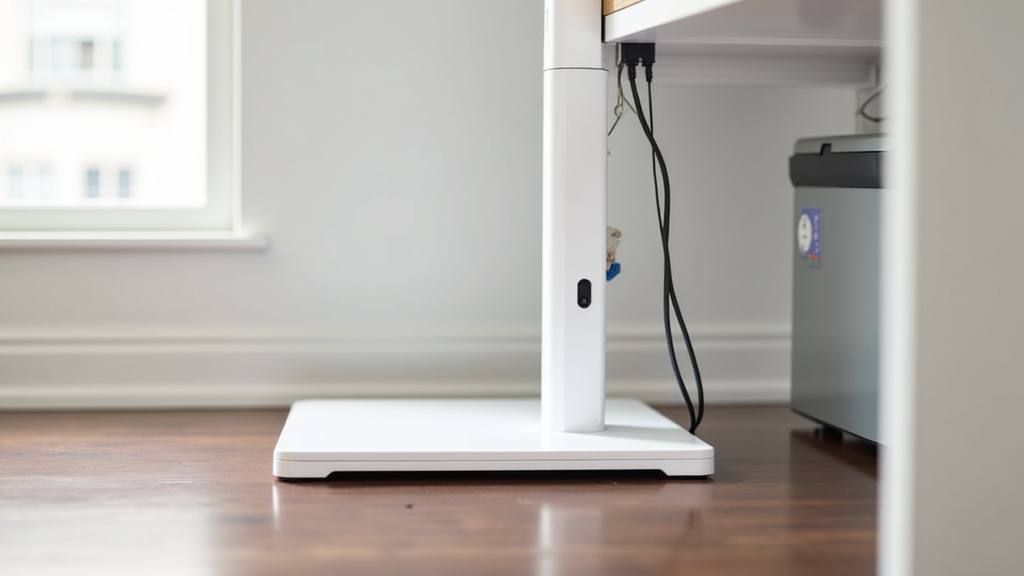
Cable ties or Velcro straps are fantastic tools. They help bundle the cord neatly. You can attach them to the bed frame itself. Many adjustable bases have built-in loops or channels for this purpose. This keeps the cord snug against the frame.
Research shows that proper cable management reduces tripping risks by up to 70% in some environments (Occupational Safety and Health Administration). While this is for workplaces, the principle applies at home too. A tidy cord is a safe cord.
Avoiding Kinks and Strain
When routing your cord, make sure it doesn’t have sharp kinks. Bending cords too sharply can damage the internal wires. This can lead to performance issues or even a fire hazard. Check manufacturer guidelines for acceptable bend radii (UL Standards).
Also, avoid straining the connection at the control box or the wall outlet. The cord should hang freely without being pulled taut. This ensures longevity and safe operation of your adjustable base.
Considerations for Different Bed Frames
The design of your bed frame will influence cord placement. Some frames have open designs, making cord routing straightforward. Others are more enclosed, requiring a bit more creativity. Look for opportunities to tuck the cord away.
If you have a canopy bed or a platform bed with solid sides, you might need to route the cord along the inside edge. Always ensure the cord can still move freely when the bed adjusts its position.
Safety First: Power Cord Best Practices
Your safety and the longevity of your adjustable base depend on how you manage the power cord. Here are a few more things to keep in mind.
Regular Inspections
It’s a good idea to inspect your power cord periodically. Look for any signs of wear and tear. This includes fraying, cuts, or exposed wires. Check the plug and the connection to the control box as well.
If you notice any damage, stop using the base immediately. Contact the manufacturer for a replacement cord. Using a damaged cord is a serious fire risk (National Fire Protection Association).
Keeping Cords Away from Heat Sources
Ensure your power cord isn’t running near heat sources. This includes radiators, heating vents, or direct sunlight. Excessive heat can degrade the insulation on the cord. This makes it more prone to damage and potential failure.
Pets and Children: Extra Precautions
If you have pets or small children, extra caution is needed. They might be tempted to chew on cords. This is extremely dangerous and can be fatal. Always try to route cords where they are completely inaccessible to them.
Using cord covers or raceways can provide an extra layer of protection. These are often available at electronics or hardware stores. They look much tidier, too!
Checklist for Your Adjustable Base Power Cord
To help you get your power cord positioned perfectly, here’s a quick checklist:
- Identify the control box location under your base.
- Determine the nearest wall outlet.
- Choose the side of the bed that faces the wall as the primary routing path.
- If necessary, use the foot of the bed as a secondary path.
- Secure the cord with cable ties or straps to the frame.
- Ensure the cord is not strained, kinked, or touching heat sources.
Conclusion
You’ve learned how to place your adjustable base power cord for a tidy and safe bedroom. The key is usually routing the cord along the wall side of the bed. This keeps it out of sight and away from foot traffic. Always check your cord length and the control box location first. Secure the cord with ties to prevent kinks and strain. By following these simple steps, you’ll ensure your adjustable base looks great and operates smoothly. Take a moment to check your setup today!
Frequently Asked Questions
Do I need an extension cord for my adjustable base?
You might need an extension cord if your adjustable base’s power cord doesn’t reach the nearest wall outlet. Always check the manufacturer’s guidelines before using one. They often recommend specific types for safety.
Can I run the power cord under a rug?
It’s generally not recommended to run power cords under rugs. This can create a tripping hazard if the cord is detected. It also puts strain on the cord and could damage it over time.
What happens if my power cord is damaged?
If you notice any fraying, cuts, or exposed wires on your power cord, stop using the base immediately. A damaged cord is a serious fire risk. Contact the manufacturer to get a replacement cord.
How do I keep my power cord from tangling with other cables?
Use cable ties or Velcro straps to bundle your adjustable base’s power cord neatly. If you have other cables, try to group them together separately. This makes your setup look cleaner and safer.
Is it okay for the power cord to be a little bit tight?
No, your power cord should never be tight or strained. Ensure there’s enough slack for the cord to connect to the control box and the wall outlet without pulling. Strain can damage the cord and the connections.