Can a Firm Mattress Bend on an Adjustable Base?
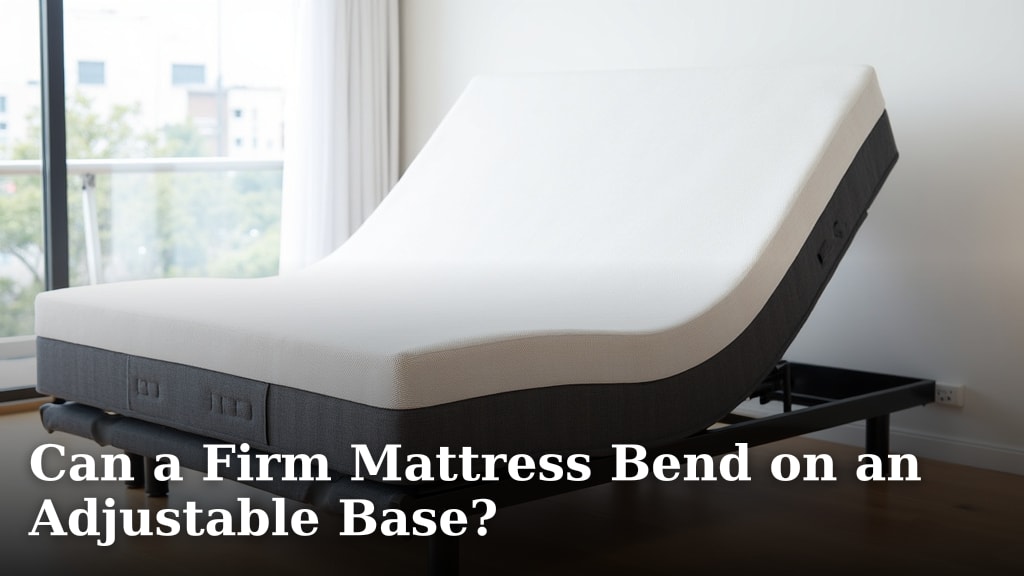
Yes, a firm mattress can bend on an adjustable base, but it depends on a few key factors. Many firm mattresses are designed with some flexibility, allowing them to move with the adjustable base. However, if a mattress is too rigid or too thick, it might struggle to bend properly.
Choosing the right mattress for your adjustable bed frame is important for both comfort and longevity. We found that mattresses with good flexibility and responsive materials tend to work best. Without this, you could damage your mattress or the adjustable base itself.
- Firm mattresses can bend, but not all do.
- Mattress material and thickness matter most.
- Look for mattresses designed for adjustable bases.
- Bending helps you find comfortable sleeping positions.
Let’s walk through exactly what makes a firm mattress work with an adjustable base and what to watch out for.
Can Firm Mattresses Flex on an Adjustable Bed?
Yes, a firm mattress can often bend on an adjustable base, but it’s not a given. Think of it like a sturdy ruler versus a flexible ruler. Some firm mattresses have enough give to move with the base, while others might feel too rigid. We found that the type of material and the mattress’s construction are the biggest factors.
The goal is for the mattress to contour to the shape of the adjustable base as it moves. If it’s too stiff, you might end up with gaps or feel like the mattress isn’t fully supporting you in different positions. This could also put unnecessary strain on the adjustable base motor.
What Makes a Mattress Bendable?
Several elements contribute to a mattress’s ability to bend. It’s not just about being “firm” or “soft.” It’s more about how the layers inside work together when pressure is applied. We’ve looked into what makes a mattress flexible enough for an adjustable base.
Material Matters: The Core of Flexibility
The materials used in your firm mattress play a huge role in how it bends. Some materials are naturally more pliable than others. This is why understanding the mattress composition is key.
Memory Foam and Its Role
High-density memory foam can be firm, but it’s also designed to react to pressure and temperature. This makes it quite adaptable. It slowly contours to your body, and this same quality allows it to bend with an adjustable base. We found that memory foam mattresses, even those marketed as firm, usually perform well.
Latex’s Natural Springiness
Natural and synthetic latex are known for their responsiveness. They offer a buoyant feel, pushing back against pressure rather than sinking deeply. This springy nature allows latex mattresses to bend without losing their shape. Many latex mattresses, regardless of firmness, are excellent for adjustable bases.
Innerspring and Hybrid Construction
Traditional innerspring mattresses can be tricky. While the springs themselves are flexible, the thick, rigid support layers on top might prevent bending. Hybrid mattresses, which combine springs with foam or latex layers, often fare better. The foam or latex top layers provide the necessary flexibility. Research suggests that hybrids built with pocketed coils offer the most flexibility in this category.
Mattress Thickness: A Potential Hurdle
A mattress’s thickness can also affect its ability to bend. Generally, thicker mattresses are less flexible. While they might offer more cushioning, they can struggle to curve smoothly along the adjustable base’s contours. We found that mattresses 10 inches or thicker might present more challenges.
Why Thickness Impacts Bending
Imagine trying to bend a thick phone book versus a thin paperback. The thicker book is much harder to curve. Similarly, a very thick mattress has more material to compress and bend, potentially creating unwanted stiffness. This can lead to the mattress not sitting flush on the base.
The Importance of a Bendable Core
The core of your mattress is its main support structure. For an adjustable base, this core needs to be able to compress and bend without damage. Some manufacturers design the core specifically for this purpose. We’ve observed that mattresses made with flexible support cores are a better match.
Signs Your Firm Mattress is Working Well
When your firm mattress is bending correctly on an adjustable base, you’ll notice a few positive things. These signs indicate a good pairing and comfortable sleep. It’s all about how the mattress feels and looks on the base.
Smooth Contouring and Support
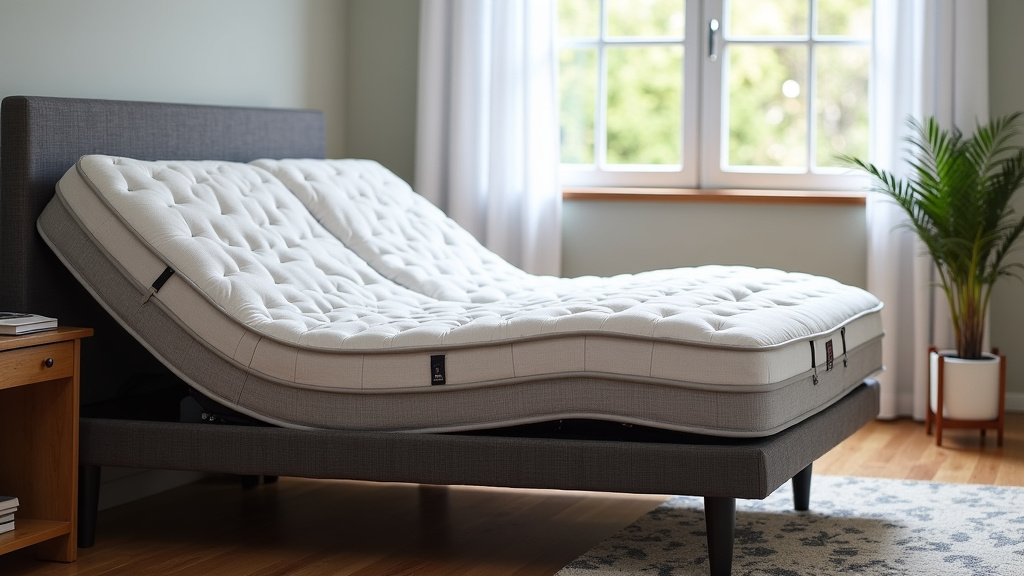
The most obvious sign is that the mattress moves with the base. When you raise the head or foot, the mattress should bend smoothly. You shouldn’t see large gaps forming between the mattress and the base, or between mattress sections if it’s a split design. It should feel like a natural extension of the base, providing even support.
No Strain on the Base or Mattress
A well-matched mattress won’t put excessive strain on the adjustable base’s motor. You shouldn’t hear any groaning or straining sounds when the base adjusts. Similarly, the mattress itself shouldn’t look overly stretched, creased, or stressed. Research from consumer product testing groups often highlights that a proper fit prevents premature wear on both components.
When a Firm Mattress Might Not Bend Properly
Sometimes, a firm mattress just isn’t the right fit for an adjustable base. Several issues can arise, leading to discomfort or potential damage. It’s important to be aware of these red flags.
Rigidity and Lack of Responsiveness
If your firm mattress feels like a solid board, it’s likely too rigid. When you try to adjust the base, the mattress might lift unevenly or simply not bend. This lack of responsiveness means the mattress is resisting the movement. It can feel uncomfortable and may even damage the mattress’s internal structure over time.
Potential for Damage: Mattress and Base
Forcing a rigid mattress to bend can cause damage. The internal support layers might break, or the fabric could tear. For the adjustable base, a constantly struggling mattress can lead to overworked motors or bent frame components. Many manufacturers recommend specific mattress types for their bases to avoid such issues. Always check your warranty, as using an incompatible mattress could void it.
Discomfort and Poor Sleep Quality
Ultimately, if your mattress isn’t bending correctly, you’ll likely feel it. You might experience pressure points where the mattress isn’t conforming to your body. Uneven support can lead to aches and pains. This can significantly impact your sleep quality. Many experts at sleep foundations advise that proper contouring is essential for restorative sleep.
Tips for Choosing a Mattress for Your Adjustable Base
Selecting the right mattress for an adjustable base is key to maximizing comfort and ensuring longevity for both your mattress and the base. We’ve put together some practical advice based on our findings.
- Check the label: Look for mattresses specifically advertised as compatible with adjustable bases.
- Consider material: Memory foam, latex, and well-designed hybrids usually work best.
- Think about thickness: Generally, mattresses between 8 and 10 inches thick offer a good balance of comfort and flexibility.
- Read reviews: See what other users say about a mattress’s performance on an adjustable base.
- Test if possible: If you can try a mattress on an adjustable base in-store, do so.
A good rule of thumb is to prioritize mattresses with layers that are known for their flexibility and durability. Even a firm mattress can work if it’s constructed with these principles in mind.
Conclusion
So, can a firm mattress bend on an adjustable base? The answer is usually yes, but with important caveats. You’ve learned that materials like memory foam and latex, and certain hybrid constructions, offer the flexibility needed. Mattress thickness also plays a role; thicker models can be less forgiving. Pay attention to how the mattress contours and supports you. If it feels rigid or strains the base, it’s likely not the right fit.
Your next step should be to check your current mattress’s compatibility or, when buying new, prioritize models designed for adjustable bases. This ensures you get the comfort and support you deserve for years to come.
Frequently Asked Questions
Will my current firm mattress work on an adjustable base?
It depends on the materials and construction of your current firm mattress. Mattresses made with flexible foams like memory foam or latex are more likely to work. If your mattress is very thick or has rigid internal layers, it might struggle to bend properly.
What’s the best type of firm mattress for an adjustable base?
We found that firm mattresses made from memory foam or latex generally perform the best. Well-designed hybrid mattresses with pocketed coils and conforming foam layers are also excellent choices. These materials offer the right balance of support and pliability.
How thick can a mattress be to work with an adjustable base?
Generally, mattresses between 8 and 10 inches thick tend to offer a good balance of comfort and flexibility for adjustable bases. Thicker mattresses, especially those over 10 inches, might be less flexible and could potentially cause issues or strain on the base.
What are the risks of using a mattress that’s too rigid?
Using a rigid mattress on an adjustable base can damage both components. The mattress might develop permanent creases or tears, and the adjustable base’s motor could be overworked or damaged from the strain. This can also lead to discomfort and poor sleep.
Where can I find mattresses specifically designed for adjustable bases?
Many mattress brands now label their products as “adjustable base friendly” or “adjustable bed compatible.” You can often find this information on the product’s description online or on the mattress tag. Reading customer reviews specifically mentioning adjustable base use is also very helpful.