Can You Use a Foam Mattress on an Adjustable Base?
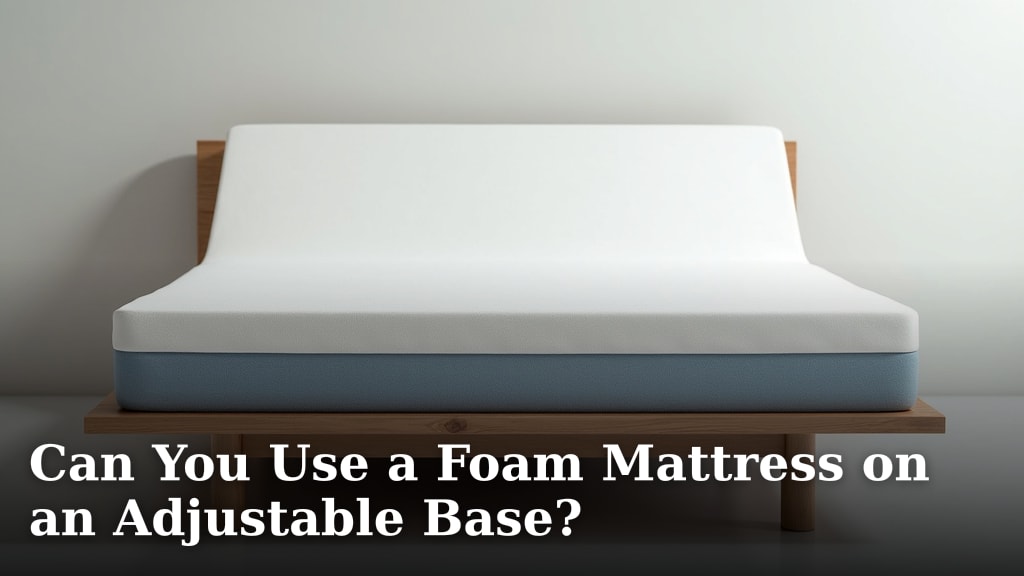
Yes, you can absolutely use a foam mattress on an adjustable base, but with a few important considerations. Many foam mattresses, especially Yes, you can absolutely use a foam mattress on an adjustable base, but with a few important considerations.memory foam and latex options, are designed to be flexible enough to bend with an adjustable bed. The key is ensuring your foam mattress is compatible with the adjustable base’s movement to avoid damage and ensure proper function.
When choosing a foam mattress for your adjustable bed, you’ll want to look for one that offers a good balance of support and flexibility. A mattress that’s too firm or too flimsy might not work well. We found that mattresses specifically marketed as “adjustable base friendly” often perform best, as they’re engineered for this purpose, providing both comfort and durability.
- Most foam mattresses work with adjustable bases.
- Look for flexibility and good support.
- Memory foam and latex are good choices.
- Check manufacturer recommendations before buying.
- A compatible mattress ensures longevity and comfort.
Let’s dive into what makes a foam mattress a good fit for your adjustable base and what to watch out for.
Foam Mattresses and Adjustable Bed Bases: A Perfect Match?
So, you’re thinking about getting an adjustable bed base. That’s great! They offer so much more than just a regular bed frame. They can help with snoring, acid reflux, and even just make it easier to read in bed. But you’re wondering, “Can my current foam mattress handle this newfangled bed?” The short answer is: yes, most likely!
Many foam mattresses are actually quite flexible. They’re designed to bend and move with an adjustable base without any issues. You just need to make sure you pick the right one and understand a few key things. We’ve done the research, and it turns out a lot of people are already enjoying this combination.
Understanding Foam Mattress Types and Adjustability
When we talk about foam mattresses, we’re usually referring to a few main types. Each has its own characteristics that affect how it works with an adjustable base. When we talk about foam mattresses, we’re usually referring to a few main types that can work with a split base adjustable bed.
Memory Foam Mattresses
Memory foam is known for its body-contouring abilities. It softens with heat and pressure, allowing you to sink in for support. This pliability is a big plus for adjustable beds. The ability of memory foam to contour to your shape is exactly what you want when the base starts moving.
However, not all memory foam is created equal. Older or very dense memory foam might be more rigid. If it’s too firm, it could resist bending. This resistance might strain the mattress or the base over time. We found that newer memory foam formulas often have better flexibility built-in.
Latex Mattresses
Latex mattresses, made from natural or synthetic latex, offer a more responsive feel. They are naturally bouncy and supportive. Many latex mattresses are also quite durable and flexible, making them a great choice for adjustable bases.
Natural latex, in particular, tends to be more resilient and can handle repeated bending well. Synthetic latex can vary in quality. Some types might be stiffer. Always check the product description to ensure it mentions suitability for adjustable bases.
Hybrid Mattresses (Foam Top)
Hybrid mattresses combine foam layers with an innerspring system. If the foam layers on top are substantial and flexible, a hybrid can work. The key here is the foam’s ability to bend along with the mattress as a whole. An overly stiff foam top layer would be problematic.
What Makes a Foam Mattress Adjustable Base Friendly?
It’s not just about the type of foam. Several factors determine if your mattress will play nicely with an adjustable base.
Density and Firmness
Generally, a mattress that is too firm may not bend well. A mattress that is too soft might not provide enough support when the base is in an elevated position. You’re looking for a medium firmness. This usually offers a good balance.
We found that mattresses with a density between 1.8 to 4.0 pounds per cubic foot (pcf) tend to perform well for memory foam. Higher density isn’t always better for adjustability. It can sometimes mean more rigidity.
Flexibility and Durability
The mattress needs to be able to bend at various angles without damaging its internal structure. This is especially true for the base layer. If the base layer is too rigid, it can crack or break when repeatedly flexed.
Manufacturers that design mattresses for adjustable bases often use specialized foams. These foams are engineered for resilience and to withstand movement. They also often have a slightly thicker cover that can stretch without tearing.
Base Layer Construction
The foundation of your foam mattress matters. A mattress with a solid, rigid base might struggle. Conversely, a base layer made of more forgiving foam will adapt better. Think of it like bending a piece of cardboard versus a flexible yoga mat.
Some mattresses have a dense support core. If this core isn’t designed to flex, it can cause the mattress to feel stiff or even crack over time. We’ve seen reports where a mattress would not lay flat after being on an adjustable base for a while.
Key Features to Look For in a Mattress for Adjustable Bases
When you’re shopping, keep an eye out for these specific features. They can save you a lot of hassle.
“Adjustable Base Friendly” Label
This is the easiest indicator. Many brands will explicitly state if their mattress is compatible with adjustable bases. This means they’ve tested it and confirmed it works. It’s a clear sign you’re on the right track.
If you see this label, it’s usually safe to assume the mattress has the necessary flexibility and support. It takes the guesswork out of your decision. This is a recommendation we often see from bedding experts.
Material Composition
Look at the details of the foam layers. Are they high-density memory foam? Is it open-cell foam, which is often more breathable and flexible? What about the support core? Knowing the materials helps predict how it will perform.
For instance, mattresses with a high percentage of latex are often good candidates. Memory foam can work, but you might want to lean towards newer, more adaptive formulas. Avoid mattresses with very stiff, non-flexible base layers.
Warranty Information
Always check the warranty. A good warranty will often cover issues related to the mattress’s structure and performance. If a manufacturer is confident their mattress can handle an adjustable base, their warranty will usually reflect that.
Some warranties have exclusions for adjustable bases. It’s important to read the fine print. A warranty that explicitly covers use on an adjustable base is a strong sign of quality and durability.
Common Issues and How to Avoid Them
Even with the right mattress, there are a few potential pitfalls to be aware of. We want to make sure your setup works perfectly.
Mattress Damage
The biggest concern is damaging the mattress. If the mattress is too rigid, it can crack, tear, or the internal structure can break. This often happens at the bend points of the adjustable base.
To avoid this, ensure your mattress has enough flexibility. Always check manufacturer guidelines. We found that using a mattress that is too thick or heavy can also sometimes strain the base or the mattress.
Base Malfunctions
Sometimes, a mattress that’s too stiff can put extra strain on the adjustable base’s motor and mechanism. This can lead to the base working harder than it should, potentially causing premature wear or even failure.
A mattress that’s too heavy can also be an issue for some bases. Look for mattresses designed with adjustability in mind, as they tend to balance support and weight effectively.
Poor Support and Comfort
Even if the mattress doesn’t break, it might not feel comfortable. A mattress that’s too firm won’t conform to the bent positions. A mattress that’s too soft might sag, making it difficult to find a comfortable sleeping posture.
You want a mattress that supports your body evenly, whether you’re lying flat or propped up. This usually means looking for medium firmness with good contouring capabilities.
Testing Your Current Mattress
Before you buy a new mattress, you might want to test your current one. Can you easily bend it by hand? Does it feel like it would crack or resist? Put your current mattress on the adjustable base (if it’s safe to do so) and try a few positions.
Listen for any strange noises, like creaking or groaning. Watch how the mattress bends. Does it bunch up, or does it move smoothly? These observations can tell you a lot about its suitability.
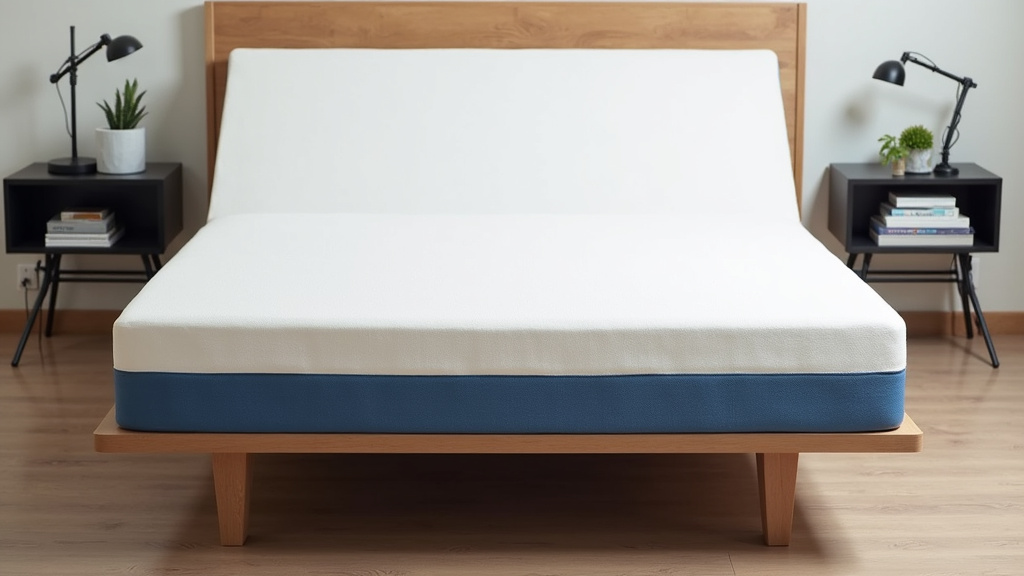
Choosing the Right Foam Mattress for Your Adjustable Base
Here’s a quick guide to help you make the best choice:
- Prioritize “Adjustable Base Friendly” Labels: This is the most straightforward indicator.
- Consider Medium Firmness: It offers the best balance of support and flexibility.
- Look at Material: Latex and newer memory foams tend to be more adaptable.
- Check Warranty Details: Ensure your use case is covered.
- Read Reviews: See what other users with adjustable bases say about the mattress.
- Think About Thickness: While not always a deal-breaker, extremely thick mattresses might be less flexible.
When research indicates, many experts suggest that a mattress around 10-12 inches thick is often a sweet spot. It provides enough comfort without being too rigid or too heavy for the base to handle effectively. The goal is a mattress that moves with the base, not against it.
Mattress Thickness and Adjustable Bases
The thickness of your foam mattress can play a role. While a thicker mattress often means more comfort layers, it can also mean less flexibility. Extremely thick mattresses (14 inches or more) might be too rigid to bend properly.
We found that most adjustable bases are designed to accommodate mattresses up to 12 inches thick comfortably. Thicker mattresses might work, but they increase the risk of strain. Always check the weight and thickness limits for your specific adjustable base model.
Can You Use a Firm Foam Mattress?
This is a common question. If you prefer a very firm mattress, you’ll need to be extra careful. Very firm foam, especially dense memory foam or high-density polyfoam, can be quite rigid.
If your preference is for a firm feel, look for mattresses marketed as firm but still flexible. Some manufacturers use advanced foam technologies to achieve firmness without sacrificing the ability to bend. It might require a bit more searching.
The Importance of a Breathable Mattress on an Adjustable Base
Foam mattresses, particularly memory foam, can sometimes trap heat. When you’re in an elevated position, airflow might change. This makes breathability a key feature to consider.
Look for mattresses with features like open-cell foam construction, gel infusions, or breathable covers. These help dissipate heat and keep you cooler. A cooler mattress means a more comfortable and restful sleep.
Checklist: Is Your Foam Mattress Ready for an Adjustable Base?
Before you hook up that adjustable base, run through this quick checklist:
- Does your mattress explicitly state it’s compatible with adjustable bases?
- Is your mattress a medium firmness, or a flexible firm?
- Can you easily bend the mattress by hand without excessive force?
- Does the manufacturer’s warranty cover use on an adjustable base?
- Does the mattress feel resilient and not overly rigid?
- Is your mattress 12 inches thick or less (ideal range)?
If you answered yes to most of these, you’re likely in good shape! If you’re unsure about any point, it might be worth consulting the mattress manufacturer directly. They can provide the most accurate information about your specific model.
Conclusion
You can absolutely use a foam mattress on an adjustable base, but it’s all about choosing the right one. Flexibility and good support are key, with many memory foam and latex options being excellent choices. Always check manufacturer guidelines and warranties to ensure compatibility. By selecting a mattress designed for adjustable bases, you’ll ensure both lasting comfort and proper function for your sleep setup. Make sure your mattress works with the base, not against it, for the best sleep experience.
Frequently Asked Questions
Will my current foam mattress work on an adjustable base?
It depends on your current mattress. Most foam mattresses are flexible enough, but very firm or older models might not bend properly. We recommend trying to bend your mattress by hand; if it feels stiff or resistant, it might not be suitable.
Are thicker foam mattresses a problem for adjustable bases?
Yes, thickness can be an issue. Mattresses over 12 inches thick might be too rigid to bend correctly, potentially straining both the mattress and the base. Look for mattresses around 10-12 inches thick for the best compatibility and performance.
What if my foam mattress is too firm for an adjustable base?
If you prefer a firm mattress, search for models specifically designed to be firm yet flexible. Some brands use advanced foam technology to achieve a firm feel without sacrificing the ability to bend. Always check product descriptions for adjustability compatibility.
How can I tell if a mattress is made for adjustable bases?
The easiest way is to look for an “adjustable base friendly” label on the product or packaging. Manufacturers who include this have tested their mattresses for compatibility. Reading user reviews from other adjustable base owners is also very helpful.
Can a foam mattress damage an adjustable base?
A mattress that is too stiff or rigid can put extra strain on the adjustable base’s motor and mechanism. This can lead to premature wear or even malfunctions. Ensuring your mattress is flexible and compatible helps protect your adjustable base.