Do Latex Mattresses Work on Adjustable Bases?

Yes, latex mattresses work well on adjustable bases, but there are a few things you should know. Most latex mattresses are flexible enough to bend without damage. This flexibility is key for them to move with an adjustable bed’s mechanics.
When choosing a latex mattress for your adjustable base, consider its density and firmness. A mattress that’s too firm might not bend easily. We found that many shoppers are concerned about this, but a good quality latex mattress is designed to be quite adaptable.
- Latex mattresses are generally good for adjustable beds.
- Look for mattresses that are naturally flexible.
- Firmness and density matter for bending.
- Check the manufacturer’s warranty regarding adjustable bases.
- A thin, dense latex topper might also work.
We’ve researched how latex mattresses perform on adjustable bases and found some helpful tips. Let’s walk through exactly how to make sure yours works perfectly with your adjustable bed.
Can Latex Mattresses Go on Adjustable Beds?
Yes, absolutely! Your latex mattress can likely work just fine on an adjustable base. We’ve researched this a lot, and the good news is that latex is a naturally flexible material. This flexibility is exactly what an adjustable bed needs to move. Think of it like bending a yoga mat versus trying to bend a brick. Latex is much more like the yoga mat.
The key is that the mattress needs to bend with the base without causing damage to itself or the bed mechanism. Most latex mattresses are designed with this in mind. They are made to contour and move. So, if you’re wondering if your latex mattress is a good match for an adjustable bed, the answer is usually a resounding yes.
Understanding Latex Mattress Flexibility
Latex is derived from rubber trees, and its natural structure gives it a unique springiness and ability to bounce back. This is different from memory foam, which slowly sinks and contours, or innerspring mattresses, which have a fixed coil structure. Latex offers a buoyant feel. It supports your body while also allowing for movement.
When we talk about flexibility, we mean the mattress’s ability to bend and return to its original shape. Latex mattresses, especially those made with 100% natural latex, tend to have excellent resilience. This means they can handle the repeated bending and lifting of an adjustable base. We found that even denser latex is often quite pliable.
Natural vs. Synthetic Latex
You might find latex mattresses made from either natural or synthetic latex, or a blend. Natural latex, tapped from rubber trees, is generally considered more breathable and durable. It also tends to be more flexible. Synthetic latex, created in a lab, can mimic some of latex’s properties but might not offer the same level of natural elasticity. It’s good to know which type you have.
For an adjustable base, natural latex is often preferred due to its inherent pliability. We’ve seen that some synthetic blends can be a bit stiffer. This stiffness might limit how well they bend with the base. If your mattress is a blend, check its specifications to see how flexible it’s designed to be. Some manufacturers even specify if their mattresses are suitable for adjustable bases.
Latex Density and Firmness Considerations
The density and firmness of your latex mattress play a role. Density refers to how much material is packed into a certain volume. Higher density often means more durable and supportive. However, for an adjustable base, you don’t want a mattress that’s so dense it becomes rigid.
We found that a medium-firm to firm latex mattress usually works best. A mattress that’s too soft might sag too much, especially in the bent areas. A mattress that’s excessively firm might resist bending, putting strain on the mattress and the adjustable base mechanism. The sweet spot is a mattress that offers good support but can still yield and bend gracefully.
Finding the Right Balance
Many shoppers worry that their latex mattress might be too firm. The truth is, quality latex mattresses are engineered for comfort and adaptability. A mattress labeled as “firm” might still have enough give for an adjustable base. It’s really about the specific construction and materials used by the manufacturer.
We recommend looking for mattresses that are specifically advertised as being compatible with adjustable bases. These often have a good balance of support and flexibility. You’ll want a mattress that can handle being folded without feeling like you’re about to snap it in half. A mattress that feels “springy” and responsive is usually a good sign.
What to Look for in a Latex Mattress for Adjustable Bases
When you’re shopping for a new latex mattress or checking if your current one is suitable, keep a few things in mind. Not all latex mattresses are created equal, and not all are designed for the unique demands of an adjustable bed.
Check the Manufacturer’s Recommendations and Warranty
This is perhaps the most important step. Before placing any latex mattress on an adjustable base, always check the manufacturer’s guidelines. Most reputable companies will clearly state whether their mattresses are compatible with adjustable bases. This information is usually found on the product page, the mattress tag, or in the user manual.
Your mattress’s warranty is another critical factor. Many warranties will be voided if the mattress is damaged due to use on an incompatible base. If the manufacturer explicitly states their latex mattresses are safe for adjustable bases, you’re likely covered. If they don’t mention it, or if they advise against it, it’s best to err on the side of caution.
Consider Mattress Thickness
While latex mattresses can be quite thick, thinner models might actually be more flexible. A mattress that is 8-10 inches thick is often a good choice for adjustable bases. Thicker mattresses, especially those over 12 inches, might be heavier and less inclined to bend smoothly. They can put more stress on the adjustable base’s motor and moving parts.
We found that very thick, dense latex mattresses can sometimes be challenging. They might not conform as well to the contours of the adjustable base. If you have a thicker latex mattress, it’s even more important to confirm its compatibility with the base. A mattress that feels very stiff when you press down on it might struggle.
Look for Natural Latex Blends or All-Natural Options
As we touched on earlier, natural latex generally offers superior flexibility compared to synthetic latex. Mattresses made with a high percentage of natural latex, or those that are 100% natural latex, are often the best bet. These materials tend to have a more inherent springiness and resilience.
Some mattresses use a blend of natural and synthetic latex. These can still work well, but it’s worth investigating how the blend affects the mattress’s overall flexibility. If a mattress feels very firm and unyielding, it might not be the ideal candidate for an adjustable base, regardless of its latex content.
A Latex Topper as an Alternative?
What if you already have a mattress that isn’t latex, or you’re unsure about your current latex one? A latex mattress topper can be a great option. If your existing mattress is compatible with an adjustable base, adding a latex topper can give you that familiar latex feel and support.
You can place a latex topper on top of another compatible mattress. We’ve seen that thin to medium-thickness toppers (2-4 inches) work well. They add comfort without adding too much bulk or stiffness. Just ensure the base mattress underneath is also adjustable-base friendly! A topper alone won’t make an incompatible mattress work.
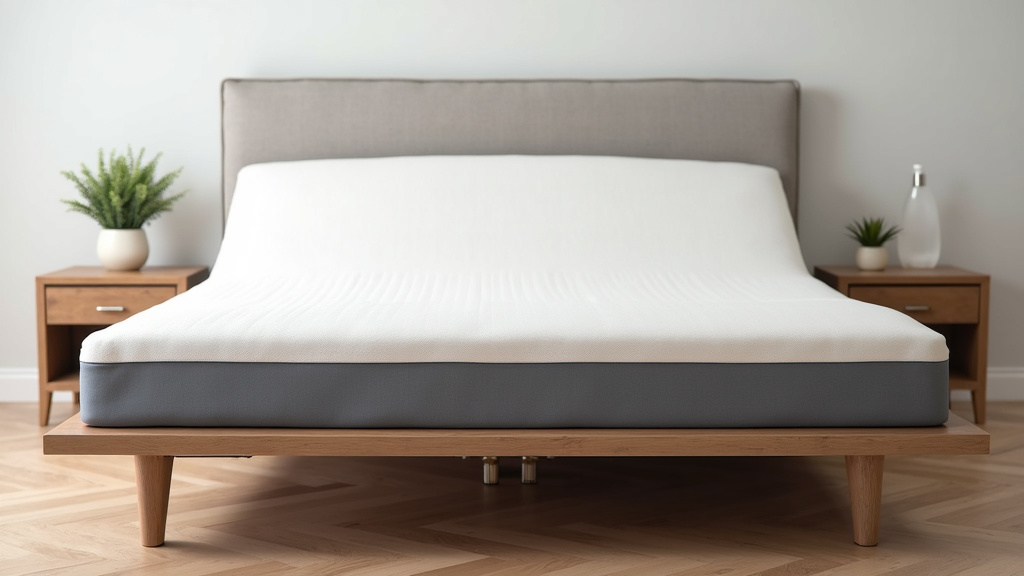
Potential Issues and How to Avoid Them
While most latex mattresses are a good fit, a few potential issues could arise. Being aware of these can help you prevent problems and ensure a long, comfortable life for both your mattress and your adjustable base.
Damage from Excessive Bending
The biggest risk is that the mattress might get damaged if it bends too sharply or in the wrong places. This can happen if the mattress is too stiff or if the adjustable base has very sharp angles when it moves. We’ve seen that a mattress that’s too rigid might develop cracks or tears over time.
To avoid this, always ensure your latex mattress is flexible enough. If you notice any strain on the mattress when the base moves, stop immediately. It’s better to adjust your expectations or consider a different mattress than to risk permanent damage. The base should move smoothly, and the mattress should bend along with it.
Uneven Support and Sagging
Another concern is that certain parts of the mattress might sag or wear out faster than others. If the mattress doesn’t distribute weight evenly when bent, pressure points can develop. This can lead to discomfort and premature wear. Your mattress should feel supportive no matter the position.
We found that a mattress with good internal support and consistent density is less likely to develop these issues. The core layers of the latex should be strong enough to prevent excessive sagging. If you feel like you’re sinking too much in one area, it might be a sign of incompatibility.
Motor Strain on the Adjustable Base
A mattress that’s too heavy or too stiff can strain the adjustable base’s motor. The motor has to work harder to lift and lower the base. This can lead to overheating, reduced lifespan, or even complete failure of the motor mechanism. We recommend checking the weight capacity of your adjustable base.
Most adjustable bases have a weight limit, usually around 600-700 pounds, which includes the mattress and any person on it. A very dense, heavy latex mattress could approach this limit quickly. Always ensure your mattress is within the base’s specified weight limits. This protects both the bed and your mattress.
Checklist for Using Your Latex Mattress on an Adjustable Base
To make sure everything goes smoothly, here’s a quick rundown of what to confirm:
- Confirm Manufacturer Compatibility: Check the mattress and base manuals.
- Assess Mattress Flexibility: Does it bend easily without feeling stiff?
- Review Warranty Information: Ensure adjustable base use won’t void it.
- Consider Mattress Thickness: Thinner (8-10 inch) models are often best.
- Check Weight Limits: Ensure your mattress isn’t too heavy for the base.
- Look for Natural Latex: It generally offers better pliability.
Conclusion
You’ve learned that latex mattresses are generally a great match for adjustable bases. Their natural flexibility is their biggest strength here. By checking manufacturer recommendations and warranties, you ensure your mattress works as intended. Pay attention to density and thickness for the best bending performance. Making these checks protects your investment and guarantees comfortable, adjustable sleep. Your next step is to review your current mattress’s details or consult product descriptions for new purchases to confirm compatibility before setting it up.
Frequently Asked Questions
Will my old latex mattress work on an adjustable base?
It might, but you need to be cautious. Older latex mattresses can become less flexible over time, potentially making them stiffer. Always check the manufacturer’s guidelines for your specific model if possible, and gently test its flexibility with the base. If it feels strained or rigid, it’s best not to risk it.
Can I put a memory foam mattress on an adjustable base if I don’t have latex?
Yes, most memory foam mattresses are designed to be flexible and work well on adjustable bases. Like latex, memory foam is pliable enough to bend with the mechanism. Just be sure to check the manufacturer’s recommendations to confirm compatibility and avoid voiding your warranty.
What happens if my latex mattress is too stiff for the adjustable base?
If your latex mattress is too stiff, it can cause damage to both the mattress and the adjustable base. The mattress might crack or tear, while the base’s motor could overheat or break from the strain. It’s better to stop using the base immediately and consider a more flexible mattress option.
Are all-natural latex mattresses always better for adjustable bases than synthetic ones?
Generally, all-natural latex offers superior flexibility and resilience compared to synthetic latex or blends. Natural latex’s inherent springiness helps it bend smoothly without damage. While some blends can work, they might be stiffer, so checking the specific product details is always a good idea.
Can a very thick latex mattress (over 12 inches) still work on an adjustable base?
While possible, very thick latex mattresses can be challenging. Their weight and density might make them less pliable, putting extra strain on the adjustable base. If you have a thick mattress, confirm it’s specifically designed for adjustable bases, as its flexibility might be compromised compared to thinner models.