Does Mattress Warranty Cover Adjustable Base Use?
Yes, a mattress warranty often covers adjustable base use, but it depends on the specific warranty terms. Most modern mattresses are designed to work with adjustable bases. However, improper use or ignoring specific guidelines can void your warranty. Always check the manufacturer’s fine print.
Using your mattress with an adjustable base is a great way to find more comfortable sleeping positions. It can also help with issues like snoring and acid reflux. But before you get started, it’s wise to understand how this might affect your mattress warranty coverage and what to watch out for.
- Many mattress warranties allow adjustable base use.
- Check your specific warranty details for any restrictions.
- Ensure your mattress is compatible with adjustable bases.
- Improper use could void your coverage.
Let’s break down what you need to know about mattress warranties and adjustable bases so you can sleep soundly. Let’s break down what you need to know about mattress warranties and adjustable bases so you can sleep soundly.
What to Know About Mattress Warranties and Adjustable Bases
You’ve invested in a comfortable mattress, and now you’re considering an adjustable base for ultimate relaxation. That’s smart! But you might be wondering: does using your mattress on an adjustable base affect your warranty? We found that most modern mattresses are designed for adjustable bases, but there are important details to check.
Understanding your mattress warranty is key. You want to ensure you have coverage if something goes wrong. A mattress warranty is essentially a contract with the manufacturer. It promises to repair or replace your mattress under certain conditions. But not all conditions are covered. Using it on an adjustable base is one area where confusion can arise.
Can I Use My Mattress on an Adjustable Base Without Voiding the Warranty?
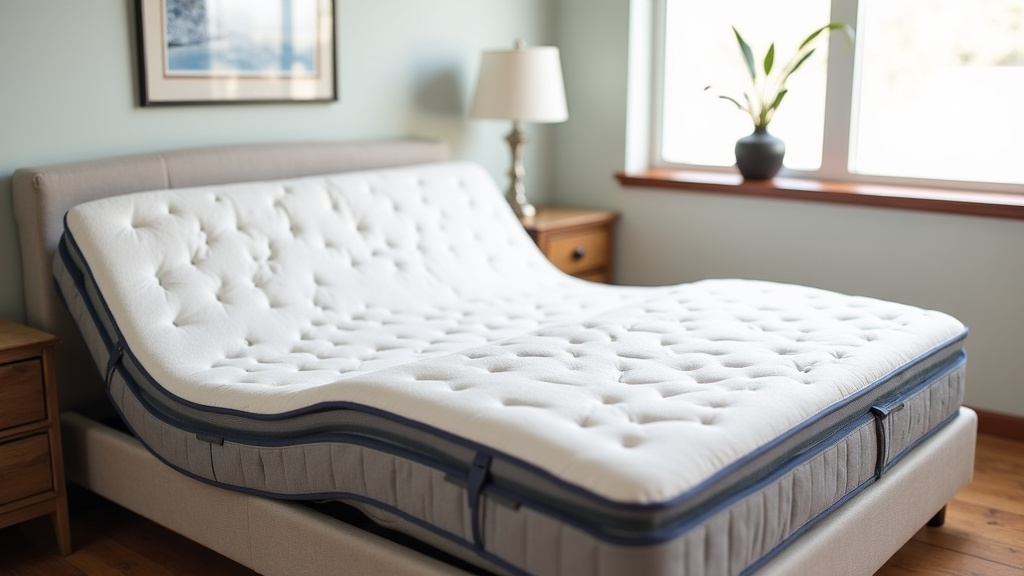
Generally, yes, you can use your mattress with an adjustable base. Many mattress manufacturers design their products with adjustable bases in mind. In fact, many mattresses are specifically advertised as “adjustable base friendly.” This means they have the flexibility and construction to bend and flex without damage.
However, the devil is in the details. It’s not a universal “yes.” Some warranties have clauses that could potentially void your coverage. This often relates to how the adjustable base might stress the mattress. We found that the most important step is to read your specific warranty document carefully.
Checking Your Mattress Warranty Terms
Your mattress warranty document is your best friend here. Look for sections discussing base requirements or incompatible foundations. You might see phrases like “must be used on a flat, solid surface” or restrictions on “flexing bases.”
Some warranties will explicitly state that adjustable bases are acceptable. Others might be silent, which can be a gray area. If your warranty is silent, it’s often a good sign that it’s permitted. But it’s still wise to contact the manufacturer directly for clarification. Getting it in writing, if possible, is even better.
What to Look for in Your Warranty
Here’s a quick checklist of what to hunt for:
- Explicit mention of adjustable bases (positive or negative).
- Any restrictions on the type of base or foundation.
- Information about mattress flexibility or warranty exclusions related to bending.
- Contact information for customer service or warranty claims.
When an Adjustable Base Might Void Your Warranty
Even if your mattress is generally compatible, improper use can cause problems. Using an adjustable base that is too rigid or doesn’t allow enough flex can damage the mattress. This can lead to premature sagging or internal component breakdown.
If the adjustable base puts undue stress on the mattress’s internal structure, it could void the warranty. For example, if the base has sharp edges or mechanisms that could puncture or tear the mattress fabric. Or if the mattress is simply not designed for that much movement and breaks down because of it.
Are All Mattresses Compatible with Adjustable Bases?
No, not all mattresses are created equal when it comes to adjustable bases. While many are, some types can be damaged. Understanding your mattress type is crucial before placing it on an adjustable base.
Mattress Types and Compatibility
We found that memory foam and latex mattresses are typically very compatible. Their inherent flexibility allows them to bend and contour easily. These materials are designed to flex without losing their supportive qualities.
Innerspring mattresses, especially older, traditional ones, can be problematic. The interconnected coils might not bend well. This can lead to damage or discomfort. However, many modern hybrid innerspring mattresses are built with more flexible coils and are often suitable for adjustable bases.
Pocketed coil mattresses, a type of innerspring, are usually a good bet. Each coil is individually wrapped. This allows for better flexibility and motion isolation, making them ideal for adjustable bases.
What to Avoid on an Adjustable Base
Some mattresses just aren’t built for movement. These might include:
- Very firm, rigid mattresses with strong internal support systems that don’t allow for bending.
- Old-fashioned innerspring mattresses with a continuous coil system.
- Mattresses with fragile border rods or internal components that could break.
If you have one of these, it’s best to stick to a flat, solid foundation. Placing them on an adjustable base could lead to permanent damage and void your warranty.
How to Ensure Your Adjustable Base Use is Covered
To sleep soundly and keep your warranty intact, follow these steps. We’ve outlined them to make it as straightforward as possible.
Step 1: Confirm Mattress Compatibility
This is your first and most important step. Check the manufacturer’s website or the product packaging for compatibility information. If it’s not clear, contact customer support. Ask them directly if your specific mattress model works with an adjustable base.
Step 2: Review Your Warranty Document
As mentioned before, read the warranty fine print. Look for any specific exclusions or requirements. If you can’t find a physical copy, search for it online on the manufacturer’s website.
Step 3: Choose the Right Adjustable Base
Not all adjustable bases are created equal. Ensure the base you choose is designed to properly support your mattress. It should allow for smooth, even movement. Avoid bases with sharp edges or mechanisms that could harm the mattress.
A base with a good number of slats or a solid platform design is usually best. This distributes weight evenly. It also provides a stable surface for the mattress to rest on as it moves.
Step 4: Follow Manufacturer Guidelines
Manufacturers often provide guidelines for using their mattresses with adjustable bases. These might include weight limits for each side of the base or specific instructions on how to place the mattress. Following these rules is essential to maintain your warranty coverage.
For example, some guidelines might suggest leaving a small gap between the mattress and the edge of the base mechanism. This prevents pinching and undue stress. Always err on the side of caution and follow their recommendations.
Step 5: Avoid “Abuse” or Misuse
Warranties typically cover manufacturing defects, not damage caused by misuse. Jumping on the bed, standing on the adjustable parts, or allowing pets to claw the mattress are examples of misuse. These actions can cause damage that will void your warranty.
Similarly, using the adjustable base for purposes other than intended—like creating a makeshift climbing structure—will likely void your warranty. Treat your mattress and base with care to ensure longevity.
What if My Mattress Isn’t Explicitly Approved for Adjustable Bases?
If your mattress warranty is silent on adjustable bases, it can feel a bit uncertain. We found that many people proceed cautiously. If your mattress is made of flexible materials like memory foam or latex, it’s likely safe. But if you’re still concerned, here’s what you can do.
Consider contacting the manufacturer directly. Ask them to confirm in writing that your mattress is compatible. This confirmation can be invaluable if you ever need to make a warranty claim. It shows you took reasonable steps to ensure proper use.
Another option is to consult independent reviews or forums. See what other users with similar mattresses have experienced. However, remember that individual experiences can vary. Always prioritize information directly from the manufacturer.
Understanding the “Why” Behind Warranty Rules
Manufacturers set these warranty rules for good reasons. They want their mattresses to last as long as possible. Adjustable bases can put unique stresses on a mattress. These stresses differ from what a mattress experiences on a flat foundation. The materials and construction of the mattress must be able to handle repeated bending and flexing without breaking down prematurely.
The goal of a warranty is to protect you from flaws in the product’s manufacturing. It’s not meant to cover damage from improper use or incompatible foundations. By understanding the stresses involved, you can make informed decisions about your sleep setup.
| Mattress Material | Likely Compatible? | Notes |
|---|---|---|
| Memory Foam | Yes | Highly flexible, contours well. |
| Latex | Yes | Naturally flexible and durable. |
| Hybrid (Pocketed Coils) | Yes | Individual coils allow for bending. |
| Traditional Innerspring | No/Maybe | Continuous coils may not flex properly. Check warranty. |
| Futons/Sofa Beds | No | Designed for specific rigid frames. |
This table gives you a general idea of compatibility. Always double-check your specific mattress type and warranty details, as variations exist.
So, while it’s great that adjustable bases offer so many benefits, remember that they are an accessory to your mattress. The mattress itself is the primary item covered by the warranty. Ensuring they work well together is your responsibility as the owner.
Conclusion
Using your mattress on an adjustable base can be a fantastic upgrade for your sleep. We found that most modern mattresses are indeed compatible and their warranties often cover this type of use. However, your specific warranty terms are key. Always check the manufacturer’s guidelines and ensure your mattress material is suitable for bending. By taking these simple steps, you can enjoy the benefits of an adjustable base with confidence, knowing your mattress is protected. Your next step is to find your mattress warranty document and review it before making any adjustments to your sleep setup.
Frequently Asked Questions
What if my adjustable base moves too fast or jolts?
A jarring or fast-moving adjustable base can damage your mattress. This type of stress might not be covered by your warranty. We recommend choosing an adjustable base known for smooth, gradual movements. Always check if your base has adjustable speed settings to prevent sudden jerks.
Can I use my mattress on a flat, solid foundation and an adjustable base at different times?
Generally, yes, you can switch between bases. However, some warranties might have clauses about the primary foundation used. It’s wise to confirm if your mattress warranty has specific requirements or limitations regarding foundation changes.
How much weight can an adjustable base put on my mattress?
Mattress and adjustable base manufacturers often provide weight limits. These limits are important for preventing damage. Exceeding these limits can cause premature wear and potentially void your warranty coverage.
What if my mattress warranty doesn’t mention adjustable bases at all?
If your warranty is silent on adjustable bases, it often means they are permitted, especially for flexible materials. However, it’s best to contact the manufacturer directly for written confirmation. This protects you if a warranty issue arises later.
Will a mattress protector affect my adjustable base warranty?
A standard mattress protector usually does not affect your warranty. They are designed to protect the mattress from spills and allergens. Ensure the protector is breathable and doesn’t add undue stiffness to the mattress.