How Do Adjustable Beds Work? What You Need to Know

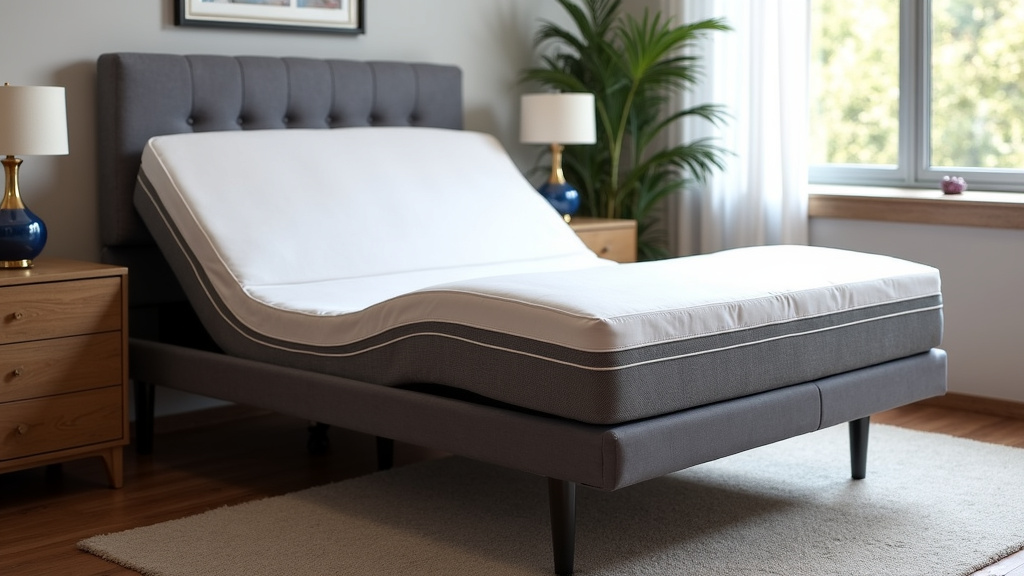
Adjustable beds work by using a quiet electric motor to raise and lower the head and foot sections of the mattress. This lets you find your perfect comfort position for sleeping, reading, or watching TV. It’s a simple system designed for your relaxation.
These beds have become popular because they offer a lot of flexibility. You can adjust them to relieve pressure points or help with issues like snoring. Many modern adjustable beds also come with extra features like massage functions and under-bed lighting.
- Adjustable beds use motors to move the bed.
- You can change the head and foot positions.
- This helps with comfort, sleep, and reducing snoring.
- Many models offer extra comfort features.
We found that understanding how these beds work can help you choose the right one. Let’s walk through exactly how this technology makes your life more comfortable.
Understanding How Adjustable Beds Work
Adjustable beds use a simple yet effective electric motor system. This motor allows you to raise or lower specific parts of the bed frame. You can adjust the head, foot, or even both sections simultaneously. This flexibility offers many comfort options for sleeping, resting, or activities like reading. The basic idea is to give you more control over your sleeping and lounging positions.
The Core Components: What’s Inside?
At the heart of every adjustable bed is a powerful electric motor. This motor is usually quiet, so it won’t disturb your partner. It’s connected to a gear and lifting mechanism. This mechanism translates the motor’s rotation into movement of the bed frame. The frame itself is often made of sturdy metal, designed to support your mattress and your body.
The Motor and Its Role
Think of the motor as the engine of your adjustable bed. It receives power from a standard wall outlet. When you press a button on your remote, it signals the motor to turn. This rotation is key to changing the bed’s position. Research shows that quiet motors are a top priority for most adjustable bed owners (Sleep Foundation). This ensures a peaceful sleep environment.
The Frame and Articulation Points
The bed frame is engineered with specific bending points, often called articulation points. These are like hinges that allow the frame to move smoothly. When the motor engages, it pushes or pulls on these points. This creates the gradual incline for your head and feet. The frame design ensures stability no matter the position you choose.
How You Control It: The Remote and Technology
Your adjustable bed is controlled by a user-friendly remote. This remote can be wired or wireless, often resembling a TV remote. It has buttons for various functions, like “raise head,” “lower foot,” or “zero gravity.” Some advanced models offer programmable memory settings. You can save your favorite positions for quick access later.
Wired vs. Wireless Remotes
Wired remotes are physically attached to the bed frame by a cord. They are typically simpler and very reliable. Wireless remotes offer more freedom; you can place them on your nightstand or even use a smartphone app. We found that wireless remotes are becoming more popular due to their convenience.
Smart Features and App Control
Modern adjustable beds are getting smarter. Many now connect to your home Wi-Fi. This allows you to control them using a dedicated smartphone app. These apps can offer even more features, like sleep tracking integration or gentle wake-up alarms. Some even sync with smart home assistants like Alexa or Google Home.
Key Benefits and How They Work
Adjustable beds offer more than just a fun way to change your sleeping position. They can genuinely improve your sleep quality and overall comfort. By allowing you to customize your bed, they help address common sleep and discomfort issues. Let’s look at some of the most significant advantages.
Relieving Pressure Points and Improving Circulation
One of the biggest benefits is the ability to alleviate pressure points. When you lie flat, certain parts of your body bear more weight. Raising your head and feet can redistribute this weight. This helps improve blood circulation throughout your body. For many, this means fewer aches and pains upon waking.
Sleeping with Acid Reflux or Heartburn
If you suffer from acid reflux or heartburn, an adjustable bed can offer relief. Elevating your head can help prevent stomach acid from flowing back into your esophagus. Many medical resources suggest elevating the head of your bed for better sleep with GERD (National Institute of Diabetes and Digestive and Kidney Diseases). This simple elevation can make a big difference.
Easing Snoring and Sleep Apnea Symptoms
Elevating the head can also help reduce snoring. When you sleep on your back, your tongue can fall back, obstructing your airway. Raising your head opens the airway slightly, which can reduce the likelihood of snoring. For some individuals with mild sleep apnea, this position change can be beneficial, though it’s not a substitute for professional medical advice (Cleveland Clinic).
Enhanced Comfort for Daily Activities
Adjustable beds are not just for sleeping. They can transform your bedroom into a comfortable relaxation zone. You can easily find the perfect angle for reading a book or catching up on your favorite shows without needing extra pillows.
The “Zero Gravity” Position Explained
Many adjustable beds feature a “zero gravity” preset. This position mimics what astronauts experience in space. It elevates both your head and feet to a specific angle. This angle is designed to distribute your body weight evenly. It creates a feeling of weightlessness, which can reduce stress on your body and promote deep relaxation.
Additional Features to Consider
Beyond the basic adjustment functions, many adjustable beds come with a host of extra comfort and convenience features. These can enhance your overall experience and make your bed even more personalized.
Massage and Vibration Functions
Some beds include built-in massage or vibration units. These can offer gentle massages to your back, legs, or feet. They often come with adjustable intensity levels and timers. This can be a wonderful way to relax tired muscles after a long day.
Under-Bed Lighting and Smart Connectivity
Look for features like under-bed lighting for a softer ambiance and easier navigation at night. Smart connectivity allows integration with apps and smart home systems. USB ports are also handy for charging your devices right from your bedside.
Mattress Compatibility Checklist
It’s important to use the right mattress with an adjustable base. Not all mattresses are designed for this type of movement. Here’s what to look for:
- Memory Foam: Generally works very well.
- Latex: Most latex mattresses are compatible.
- Hybrid Mattresses: Check with the manufacturer; many are fine.
- Innerspring Mattresses: Often not recommended, as they can break down.
- Firmness: A slightly softer mattress might feel more comfortable when adjusted.
- Flexibility: The mattress needs to be able to bend without damage.
Conclusion
You’ve learned how adjustable beds use quiet electric motors and clever frame design to give you personalized comfort. These beds aren’t just about sleeping; they can help with everyday aches, snoring, and even provide a cozy spot for reading. By understanding the core components and your control options, you can find the right bed for your needs. Consider your mattress compatibility and any extra features you might enjoy. Now that you know how they work, you can confidently explore adjustable beds to improve your rest and relaxation.
Frequently Asked Questions
Will an adjustable bed work with my current mattress?
It’s important to check if your current mattress is compatible. Most memory foam and latex mattresses work well, but traditional innerspring mattresses can be damaged by the bending motion. Always confirm with the mattress manufacturer before combining it with an adjustable base.
Are adjustable beds noisy when they move?
Most adjustable beds use quiet electric motors designed to minimize noise. While you might hear a faint hum, it’s generally not loud enough to disturb a sleeping partner. Research shows quiet operation is a key factor for owners.
How does the “zero gravity” position help?
The zero gravity position elevates both your head and feet to a specific angle. This helps distribute your body weight more evenly, creating a feeling of weightlessness. Many users find this position reduces pressure and promotes deeper relaxation.
Can an adjustable bed really help with snoring?
Yes, for some people, elevating the head can help reduce snoring. This position can help keep your airway more open by preventing your tongue from falling back. It’s a simple adjustment that many find beneficial for sleep quality.
Are adjustable beds hard to set up?
Most adjustable beds arrive mostly assembled and are designed for straightforward setup. You’ll typically need to attach the legs and connect the power. Many retailers offer professional setup services if you prefer not to do it yourself.