How to Keep a Mattress from Sliding on a Base
To keep your mattress from sliding on its base, the easiest method is to use a mattress grip pad. This simple rubber or foam sheet creates friction between your mattress and the base. Many people also find success with non-slip tape or even a fitted sheet with elastic.
A sliding mattress isn’t just annoying; it can be a safety concern. It can cause premature wear on your mattress and base. We found that addressing this slippage problem early saves you hassle later. Simple solutions often prove most effective.
- Use a grip pad for best results.
- Non-slip tape is another good option.
- A tight-fitting sheet can help too.
- Make sure your bed frame is stable.
Let’s walk through some effective ways to stop your mattress from taking a slide for the worse.
Stopping Your Mattress from Slipping on Its Base
It’s frustrating when your mattress shifts and slides. This can lead to an uneven sleeping surface. It might also damage your mattress and bed frame over time. We found that addressing this issue is more important than many people realize. Keeping your mattress stable contributes to better sleep and protects your investment. Let’s look at practical ways to solve this common problem.
Understanding Why Mattresses Slide
Several factors can cause your mattress to slide. Often, it’s a combination of things. Understanding the cause helps you pick the right fix. Friction is key here. If there isn’t enough grip, movement is easy.
Surface Materials Matter
Some mattress and base materials are naturally slick. Memory foam mattresses, for example, can be quite smooth. Many bed bases also have smooth surfaces. This lack of natural grip allows the mattress to move easily. This is especially true for adjustable bases with articulating joints. This lack of natural grip allows the mattress to move easily, especially for adjustable bases with articulating joints.
Base Design and Condition
The design of your bed base plays a role. Some platform beds have very flat, smooth surfaces. Older or damaged bases might have parts that are worn down. This can reduce their ability to hold the mattress in place. A wobbly or unstable base will encourage sliding.
Movement and Gravity
Every time you get into or out of bed, you cause movement. Even shifting in your sleep can make the mattress slide. Gravity constantly pulls down. If there’s nothing to stop it, the mattress will naturally move to the lowest point it can reach on the base.
Simple Solutions for a Stable Mattress
Thankfully, you don’t need complicated tools or expensive fixes. Many effective methods are straightforward and budget-friendly. We found that starting with the simplest solutions often yields the best results.
The Power of Grip Pads
Mattress grip pads are designed specifically for this problem. They are usually made of rubber or a high-friction foam. You simply place the pad between your mattress and your bed base. This creates a strong barrier against slipping.
Choosing the Right Grip Pad
Look for pads that are a good size for your mattress. Some come in large sheets you can cut. Others are designed for specific areas, like corners. A thicker pad generally offers more grip. We found that thicker, textured pads were most effective.
How to Use a Grip Pad
First, remove your mattress from the base. Lay the grip pad flat on the base where the mattress will sit. Make sure it covers most of the surface. Then, carefully place your mattress back on top of the grip pad. It’s really that simple!
Non-Slip Tape as an Alternative
Similar to grip pads, non-slip tape adds friction. It’s often used for stairs or floors. You can apply strips of this tape to your bed base. It creates a rougher surface that holds the mattress better.
Applying Non-Slip Tape
Clean the surface of your bed base first. Make sure it’s dry and free of dust. Peel the backing off the tape. Apply strips evenly across the base. Overlapping the strips slightly can create a more solid grip. You might need to trim the tape to fit. We found that wider tape offered better coverage.
Considerations for Tape
Some tapes can leave a sticky residue. Test a small area first if you’re concerned. Also, ensure the tape is durable enough for constant pressure. For some bases, especially wood, you might want a tape that won’t damage the finish.
The Humble Fitted Sheet Trick
A tight-fitting fitted sheet can actually help keep your mattress in place. The elastic edges hug the mattress and base. The fabric provides a bit of extra grip compared to a bare surface.
How a Fitted Sheet Helps
A sheet with deep pockets that fit snugly is best. When you pull the elastic edge under the mattress and base, it creates tension. This tension pulls the mattress inward, reducing its ability to slide. It’s like giving your mattress a secure hug.
When This Method Works Best
This method is most effective for minor slippage. It works better on slatted bases or those with some texture. If your mattress slides a lot, a sheet alone might not be enough. It’s a good option if you’re looking for a quick, no-cost solution.
Ensuring Your Bed Frame is Stable
Sometimes, the problem isn’t just the mattress and base. A wobbly or poorly assembled bed frame can contribute to mattress movement. A stable foundation is essential for everything to stay put.
Checking for Loose Parts
Periodically check all the bolts and screws on your bed frame. Tighten any that have come loose. This is especially important for metal bed frames. Over time, vibrations can loosen connections.
Adding Support to Slats
If you have a slatted base, ensure all the slats are in good condition. They should be firmly attached. If slats are sagging or broken, they won’t support the mattress well. You might need to replace them or add extra support.
Consider a Bed Frame with Built-in Stops
Many modern bed frames come with built-in mattress stoppers or brackets. These are designed to hold the mattress in place. If your current frame doesn’t have them, you might consider adding some aftermarket ones. We found these can be very effective at preventing slippage.
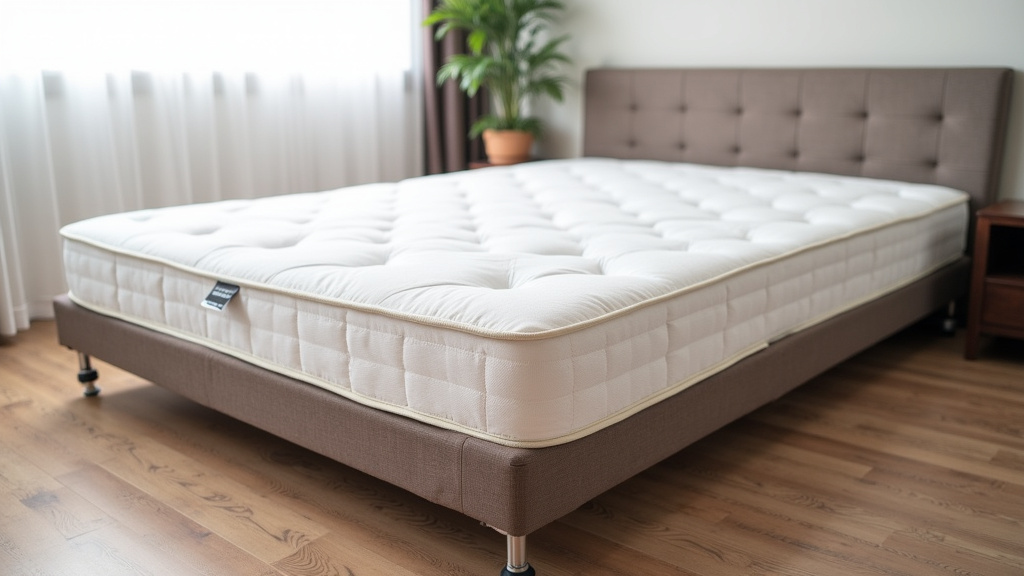
When to Seek More Robust Solutions
If simple methods aren’t working, don’t get discouraged. There are still ways to tackle stubborn mattress slippage. Sometimes, a combination of solutions is the best approach.
Using Multiple Methods Together
For example, you could use a grip pad on your base and then a tight fitted sheet over that. This layering increases the friction and stability significantly. Another option is to use non-slip tape on the base and then place a grip pad on top of the tape.
Securing the Mattress to the Frame
Some people use Velcro straps or zip ties to secure the mattress to the frame. This is more common for guest beds or RVs where movement is a bigger issue. Ensure you use methods that won’t damage your mattress or frame.
Investigating Your Mattress Type
Very heavy or very light mattresses can behave differently. A plush, soft mattress might sink into the base more, allowing it to shift. A very firm, slick mattress might just slide easily. Knowing your mattress type can help you choose the best stabilization method.
Quick Checklist for a Stable Mattress
- Tighten all screws and bolts on your bed frame.
- Clean your bed base surface thoroughly.
- Place a non-slip grip pad between the mattress and base.
- Ensure your fitted sheet is snug and fits well.
- Check for any damage to your bed slats.
- Consider adding mattress stops to your frame if needed.
Conclusion
You’ve learned that a sliding mattress doesn’t have to be a constant annoyance. We found that simple, accessible solutions can make a big difference. From using effective grip pads and non-slip tape to ensuring your bed frame is stable, you have many options. Don’t let mattress slippage disrupt your sleep or damage your bedding. Take a moment to assess your bed setup and try one of these methods. Your first step should be to clear your bed base and assess its surface. Then, choose the solution that best fits your needs.
Frequently Asked Questions
Will a mattress grip pad work on an adjustable bed?
Yes, grip pads are generally effective on adjustable bases. Their flexible material can adapt to the base’s movements. Just ensure the pad is placed correctly and covers the articulating sections where the mattress rests. Yes, grip pads are generally effective on adjustable bases, as their flexible material can adapt to the base’s movements.
Can I use drawer liner instead of a grip pad?
Some textured drawer liners might offer a small amount of grip. However, they are typically not as thick or durable as dedicated mattress grip pads. For consistent and reliable anti-slip performance, a proper grip pad is recommended.
How often should I check my bed frame for loose parts?
We suggest checking your bed frame’s connections at least every six months. Bed frames can loosen over time due to regular movement. Tightening bolts and screws can prevent instability that contributes to mattress sliding.
Is non-slip tape safe for all bed frame materials?
Most non-slip tapes are safe, but it’s wise to test a small, inconspicuous area first. Some tapes might leave residue or slightly affect delicate finishes, especially on wood. Always check the tape’s manufacturer instructions for compatibility.
What if my mattress is very heavy or very light?
Heavier mattresses might need more robust solutions like thicker grip pads or even securing straps. Lighter mattresses are more prone to sliding and benefit greatly from good friction. For very light mattresses, consider layering solutions like a grip pad under a snug fitted sheet.