What Is a Hi Low Adjustable Bed? What Owners Should Know

A hi-low adjustable bed is a type of hospital-style bed that can be raised and lowered vertically. This feature makes it easier for people with mobility issues to get in and out of bed safely. It also helps caregivers provide better assistance without straining themselves. You might also hear them called electric hospital beds.
These beds offer more than just height adjustment. Many come with features like head and foot articulation for customized comfort and support. They are designed to improve sleep quality and aid in recovery or daily living for individuals facing health challenges. They are a practical solution for both users and their helpers.
- Hi-low beds raise and lower vertically.
- They help people get in and out of bed easier.
- Caregivers can use them for better assistance.
- Many beds also adjust the head and foot sections.
- They focus on comfort and daily living support.
So, what exactly is a hi-low adjustable bed, and what should you know if you’re considering one? Let’s walk through the key details to help you make an informed choice.
You’ve seen them in hospitals or recovery centers, and now you’re wondering about them for home. A hi-low adjustable bed is a specialized bed frame designed to do more than just tilt your head up. Its main feature is the ability to raise and lower the entire bed vertically. This capability makes it a real game-changer for anyone facing mobility challenges. It’s also a significant help for those providing care.
Understanding How a Hi-Low Bed Works
At its core, a hi-low adjustable bed operates with electric motors. These motors control the vertical movement of the bed frame. You typically operate these motors using a remote control. This remote allows you to adjust the bed’s height with just a few button presses. It’s a much simpler way to manage bed height than manual crank systems.
The Vertical Lift Mechanism
The vertical lift is the defining feature. Think of it like a sturdy, electric scissor lift but for your bed. This mechanism is built into the bed frame itself. It allows the mattress platform to move up and down smoothly. The range of motion can vary by model. Some beds might offer a smaller adjustment range. Others provide a wider span, which can be very helpful.
Power and Controls
These beds rely on electricity to function. You’ll need to plug the bed into a standard wall outlet. The remote control is your command center. It usually has buttons for the height adjustment. Many remotes also control other functions if your bed has them. Keeping the remote handy is essential for easy operation.
Key Features Beyond Height Adjustment
While the vertical lift is primary, most hi-low beds offer more. They are designed to offer personalized comfort and support. You can adjust different sections of the bed independently. This adaptability helps improve sleep quality and ease daily tasks.
Head and Foot Articulation
Many hi-low beds also allow you to adjust the head and foot sections. The head section can often lift to a comfortable reading or TV-watching position. It can also help with breathing by elevating your upper body. The foot section can be raised to provide support or relieve pressure. This articulation is controlled via the same remote. It lets you find that perfect, personalized resting position. Learn about the benefits of a zero gravity position for sleep and pressure relief.
Benefits of Articulation
Having adjustable head and foot sections can make a big difference. For instance, elevating the head can ease symptoms of acid reflux or snoring. (National Institutes of Health). Raising the feet can help reduce swelling in the legs and ankles. It’s about creating a more supportive and comfortable sleep environment tailored to your needs.
Massage and Vibration Functions
Some higher-end models come with built-in massage or vibration features. These can offer a soothing experience. They might help relax muscles and ease minor aches. It’s a feature that adds a touch of luxury and therapeutic benefit. However, it’s important to remember these are for comfort, not medical treatment.
Wall Hugger / Space-Saving Design
You might find some hi-low beds have a “wall hugger” or “wall saver” feature. This clever design means the bed moves slightly forward as it reclines. This action helps keep the bed closer to your nightstand or wall. It ensures you don’t lose access to your bedside essentials when you adjust the headrest. This is a smart design for smaller bedrooms.
Who Benefits Most from a Hi-Low Bed?
The primary users are individuals with limited mobility. This includes seniors, people recovering from surgery, or those with chronic health conditions. Anyone who finds it difficult to get into or out of a standard bed will appreciate a hi-low bed. It promotes independence and safety.
For the User: Enhancing Independence and Safety
Imagine not needing help just to get out of bed. The vertical lift makes it easy to raise the bed to a height similar to a chair. This means you can transfer from bed to a wheelchair or walker more easily. It reduces the risk of falls. It also gives you a greater sense of control over your day.
For the Caregiver: Making Assistance Easier
If you help a loved one in and out of bed, a hi-low bed can save your back. You can raise the bed to a comfortable working height. This means less bending and straining for you. It makes tasks like changing linens or assisting with transfers much safer for everyone. Caregiver strain is a real issue, and these beds help mitigate that (CDC).
Types of Mattresses for Hi-Low Beds
Not every mattress is suited for an adjustable bed. You need one that can bend and flex without damage. Most manufacturers recommend specific types to ensure proper function and longevity.
Compatible Mattress Materials
Memory foam and latex foam mattresses are generally excellent choices. They are flexible and conform well to the bed’s movements. Some hybrid mattresses, which combine foam with springs, can also work. You’ll want to check the manufacturer’s recommendations. They often specify the maximum coil count or spring type that is compatible.
Mattresses to Avoid
Traditional innerspring mattresses with very firm, rigid coils are usually not a good fit. They don’t bend easily and can be damaged by the constant flexing. If you have an existing mattress, it’s wise to confirm its compatibility before pairing it with a hi-low frame.
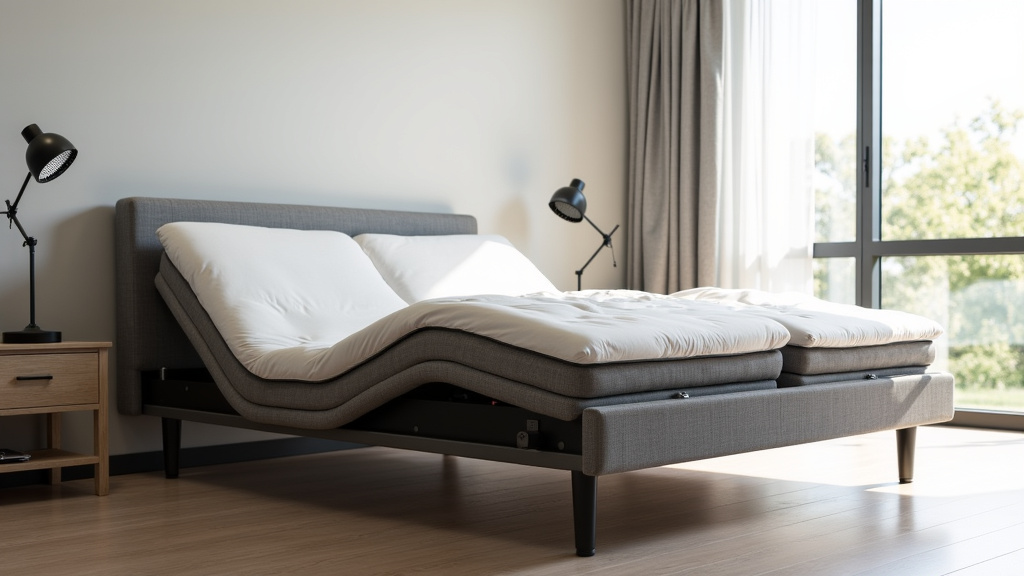
Choosing the Right Hi-Low Adjustable Bed
When you’re looking for a hi-low bed, consider a few key things. Your personal needs are the most important factor. What will make your daily life easier and more comfortable?
Weight Capacity and Size
Check the weight capacity of the bed frame. This is crucial for safety and performance. Also, make sure you choose the right mattress size. Common sizes include Twin, Twin XL, Queen, and King. A Twin XL is often a good choice for single individuals needing the extra length.
Adjustability Range and Features
Look at how high and low the bed can go. Does the range meet your needs for transfers and comfort? Consider if you want additional features like head and foot articulation. Think about whether massage or specific edge support is important to you.
Warranty and Support
A good warranty is a sign of a quality product. Understand what the warranty covers and for how long. Look for reputable brands that offer good customer support. This can be very helpful if you have questions or issues down the road.
Daily Living Checklist for Hi-Low Bed Owners
Here’s a quick rundown to help you get the most out of your hi-low adjustable bed:
- Keep the remote control accessible and easy to find.
- Ensure the bed is plugged in and has power.
- Check that your mattress is compatible with adjustable bases.
- Listen for any unusual noises during adjustments.
- Keep the area around the bed clear of obstacles.
- Know your bed’s weight capacity.
A hi-low adjustable bed is a thoughtful investment in comfort, safety, and independence. By understanding its features and how to use it best, you can significantly improve daily living.
Conclusion
A hi-low adjustable bed can greatly improve your daily comfort and safety. You’ve learned how its vertical lift and articulation features make getting in and out of bed easier. For users, this means more independence. For caregivers, it means less physical strain. Choosing the right mattress and understanding your bed’s features are key. By making an informed decision, you invest in a better quality of life. Now, take some time to consider your personal needs and research models that fit your situation.
Frequently Asked Questions
How much vertical adjustment can I expect from a hi-low bed?
The range of vertical adjustment varies by model. Some offer a few inches, while others can raise the bed considerably higher. Check the product specifications to find a range that suits your transfer needs.
Can I use my current mattress with a hi-low adjustable bed?
Not all mattresses are compatible. Memory foam, latex foam, and some hybrid mattresses generally work well. It’s best to confirm your mattress type is flexible enough to bend without damage.
Are hi-low beds noisy when they operate?
Most modern hi-low beds operate relatively quietly thanks to their electric motors. If you hear loud or unusual noises, it might indicate a problem that needs attention. Listen for smooth operation.
What is a “wall hugger” feature?
A wall hugger design means the bed moves backward slightly as you recline the head section. This keeps the bed closer to your nightstand, ensuring you don’t lose access to items like lamps or medications.
Do hi-low beds require special electrical outlets?
No, these beds typically plug into a standard household electrical outlet. Ensure the bed’s power cord can reach an outlet and that the circuit can handle the bed’s power needs.