What Is an Adjustable Bed Motor? Step by Step

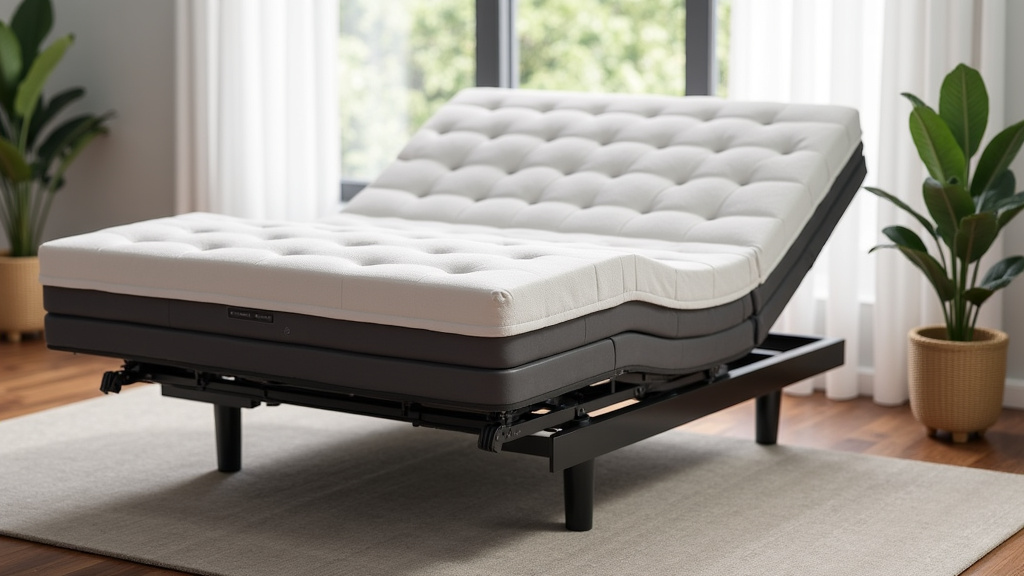
An adjustable bed motor is a small, powerful electric motor that lifts and lowers the head and foot sections of your bed frame. It turns the simple act of pressing a remote control into smooth, quiet movement, allowing you to find the perfect position for sleeping, reading, or watching TV.
This electric motor is the hidden engine behind an adjustable base’s convenience. We found that it replaces the old-fashioned manual cranks of the past. Now, you can adjust your bed with the push of a button, which is especially helpful for people with mobility issues or those seeking better comfort.
- An adjustable bed motor is the electric component that moves the bed sections.
- It allows you to change your sleeping position with a remote control.
- Motors are chosen for quiet operation, strength, and durability.
- Common types include single-motor, dual-motor, and synchronized systems.
- Proper care and not exceeding weight limits help keep your motor working well.
Below, we walk you through exactly what an adjustable bed motor is and break down the different types you might encounter. Let’s get started.
Understanding the Adjustable Bed Motor: A Step-by-Step Guide
This section explains the inner workings of the motor that moves your adjustable bed. You’ll learn how it functions, the different types, and what to check when buying or maintaining one. Think of it as your simple blueprint for a smarter bed.
How Does the Motor Actually Move the Bed?
The motor is the muscle of your adjustable bed. When you press a button on your remote, it sends a signal to this electric motor. The motor then converts electrical energy into mechanical motion. This motion turns gears that push or pull the bed frame sections up or down.
It’s like a tiny, quiet elevator for your mattress. We found that most motors use a screw drive or a linear actuator mechanism. This means a threaded rod spins to extend or retract a piston. That piston moves the bed platform smoothly. It’s designed to be **quiet and efficient**, so you don’t disturb your partner.
Why does it matter? A well-functioning motor means no waking up with a backache from a poorly supported position. The Cleveland Clinic notes that adjusting your sleep angle can help with issues like acid reflux and snoring. To learn more about adjustable base functions, see our guide.
What Are the Common Types of Adjustable Bed Motors?
Not all motors are the same. They come in different setups to fit various bed designs. Knowing the type helps you understand what your bed can do. We broke them down into three main categories.
| Motor Type | How It Works | Best For |
|---|---|---|
| Single-Motor System | One motor controls both head and foot sections together. They move as one unit. | Simpler, budget-friendly beds. Good for basic adjustability. |
| Dual-Motor System | Separate motors for the head and foot sections. They can move independently. | Most popular choice. Allows precise, separate positions. |
| Synchronized Motor System | Multiple motors work together with a control unit. They keep sections aligned. | High-end beds. Often used for zero-gravity or pre-set positions. |
Single-Motor Systems Explained
A single-motor system is the most basic. It uses one motor to lift or lower the entire bed platform. Imagine a seesaw that goes up and down as one piece. This type is often found in more affordable adjustable frames. It’s reliable and does the job if you don’t need to adjust head and feet separately.
The main downside? You can’t set your head up while your feet are down. It’s an all-or-nothing move. For some, that’s perfectly fine. For others, it can be limiting.
Dual-Motor Systems Explained
Dual-motor systems are the most common in modern beds. One motor lifts the head section, and another lifts the foot section. You can adjust each part separately using the remote. Want to read a book with your head up and feet flat? You can. It gives you **true personalization**.
We found that dual motors are often the go-to for people with health needs. For example, elevating your legs can improve circulation (Mayo Clinic). It’s a simple way to get comfort and health benefits.
Synchronized Motor Systems Explained
Synchronized systems use advanced electronics to link multiple motors. They create preset positions like “zero gravity” or “anti-snore.” The motors work in harmony to keep the bed frame stable. It’s the most complex type but offers the smoothest experience.
This system is common in premium beds. It can be more expensive, but it delivers a **consistent, quiet motion**. If you love tech and convenience, this might be the one for you.
Key Components Inside the Motor
Let’s peek inside the motor. It’s not just a spinning part. A typical adjustable bed motor has several small but important pieces. Each plays a role in making the bed move right.
- Electric Motor Core: The heart of the system. It uses electricity to create rotation.
- Gearbox: This slows down the motor’s speed. It increases the force so it can lift heavy mattresses and sleepers.
- Linear Actuator or Screw Drive: This part turns rotation into straight-line motion. It pushes the bed frame up or down.
- Control Unit: This is the brain. It receives signals from your remote and tells the motor what to do.
- Limit Switches: These safety features stop the motor when the bed reaches its highest or lowest point. They prevent damage.
Think of it like a car’s engine and transmission. Each part must work together for a smooth ride. A weak gearbox or a faulty limit switch can cause problems.
Step-by-Step: Installing an Adjustable Bed Motor
So you bought a new adjustable bed frame. How do you get the motor installed? The process is usually straightforward. Most beds come with a motor pre-assembled, but you might need to attach it to the frame. Here’s a simple guide.
Step 1: Unpack and Check Parts
Lay out all the parts. You should have the motor, a remote, a control box, and mounting hardware. Compare them to the manual. A missing piece can delay everything.
Step 2: Position the Motor
Place the motor in its designated spot on the bed frame. Most frames have brackets or slots. Align the motor with the frame’s pivot points. It should fit snugly.
Step 3: Secure the Motor
Use the provided screws or bolts to fasten the motor to the frame. Tighten them firmly but don’t over-tighten. You don’t want to strip the threads. A screwdriver or wrench is usually all you need.
Step 4: Connect Wires and Test
Plug the motor’s cables into the control box. Then connect the control box to the power outlet. Use the remote to test the motor. If it moves smoothly, you’re good. If not, check the connections.
Maintaining Your Bed Motor for Longevity
Your bed motor can last for years if you take care of it. Like any machine, it needs a little attention. Here’s a checklist to keep it running well. We found that simple habits make a big difference.
- Keep it clean: Dust the motor and frame regularly. Use a soft cloth. This prevents dirt from getting into the gears.
- Avoid overloading: Don’t exceed the weight limit. Check your bed’s manual. Heavy loads strain the motor and shorten its life.
- Check for loose parts: Every few months, tighten screws and bolts. Vibrations from movement can loosen them over time.
- Inspect the wiring: Look for frayed or damaged wires. If you see any, stop using the bed and call a professional.
- Use the remote properly: Don’t press buttons while the motor is moving. Wait for it to stop. This prevents signal conflicts.
Many experts say that following these steps can extend your motor’s life by several years (NCBI). It’s a small effort for a big payoff.
Troubleshooting Common Motor Issues
What if your bed stops moving? Don’t panic. Most problems are easy to fix. Here are common issues and what to do.
The Bed Won’t Move At All
First, check the power. Is the plug secure? Is the outlet working? Next, check the remote’s batteries. If it’s still not moving, look at the control box. It might need a reset. Unplug it for a minute and try again.
The Motor Is Noisy
A little noise is normal, but loud grinding is not. It could mean something is stuck in the gears. Turn off the bed and inspect the area. Clean any debris. If the noise continues, the motor might need professional repair.
The Bed Moves Unevenly
If one side goes up but the other doesn’t, the motor might be out of sync. For dual-motor beds, try resetting the system. The manual often has a reset procedure. If that fails, a technician should check it.
What to Look for When Buying a Motor
When you shop for an adjustable bed, the motor is key. Not all motors are equal. Here are the features to consider. This will help you choose a reliable one.
- Quiet Operation: Look for motors that advertise low decibel levels. A quiet motor ensures peaceful sleep. Many models run under 45 decibels.
- Weight Capacity: Check the maximum weight it can handle. Make sure it includes your mattress and any sleepers. A strong motor is crucial.
- Durability and Warranty: Choose motors with a good warranty, like 10 years or more. This shows the maker trusts their product. We found that longer warranties often mean
Conclusion
An adjustable bed motor is the electric heart that powers your bed’s smooth movement. We covered its core functions, common types like single and dual motors, and the key parts inside. You learned simple installation steps, maintenance habits, and troubleshooting tips. Remember, a quiet, durable motor with a solid warranty can make your sleep more comfortable. Your next step is to review your current motor or use this guide to choose a reliable one when shopping for an adjustable bed.
Frequently Asked Questions
How long does an adjustable bed motor typically last?
With proper care, a quality motor can last 10 to 15 years. Regular maintenance, like cleaning and tightening parts, helps extend its life. Avoid overloading the bed to prevent premature wear.
Can I install an adjustable bed motor myself?
Yes, most motors are designed for easy self-installation. You’ll need to secure the motor to the frame and connect wires. Follow the manual carefully, and test with the remote after setup.
What is the difference between single and dual-motor systems in terms of cost?
Single-motor systems are more affordable due to simpler design. Dual-motor systems cost more but allow independent head and foot movement. Your choice depends on your budget and desired comfort.
How do I know if my adjustable bed motor needs repair?
If your bed moves unevenly, makes loud noises, or stops responding, the motor might need repair. First, check power connections and reset the system. If issues continue, contact a professional.
Are adjustable bed motors compatible with all mattresses?
Most motors work with any mattress, but heavy ones might strain the motor. Always check the motor’s weight capacity and your bed frame. It’s best to use a mattress designed for adjustable beds.