Memory Foam vs Spring Mattress: Which Should You Choose? (November 2026)
Choose memory foam for close contouring and motion absorption, or a spring mattress for a buoyant feel and easier movement. Your sleep position, preferred feel and need for airflow can help break the tie.
On this page (8 sections)
- Memory foam mattress vs spring: what feels different?
- Which mattress handles movement better?
- Which one may sleep cooler?
- How do memory foam and spring mattresses compare for sleep positions?
- What is a memory foam mattress made of?
- What bed base works with each mattress type?
- Should you choose a foam, spring or hybrid mattress?
- How should you make the final choice?
Choose memory foam for close contouring and motion absorption, or a spring mattress for a buoyant feel and easier movement. In a memory foam mattress vs spring comparison, the right fit depends on how you want the surface to feel and how you share the bed.
Memory foam responds to pressure by molding around your body. A traditional spring mattress uses coils for a more lifted, responsive feel, though padding above the coils changes how pronounced that bounce feels.
The options aren't limited to all foam or traditional coils. A hybrid combines foam and springs, so it can offer some contouring with a more coil-like response.

Memory foam mattress vs spring: what feels different?
Memory foam hugs your shape, while a spring mattress feels more buoyant under movement. Both types can provide support, but the surface response is different.
Foam compresses where your body presses into it. That close contact can feel cushioning around the shoulders and hips, especially if you sleep on your side.
Springs compress and push back more directly. Many sleepers find it easier to change position on that responsive surface, while others prefer the slower, closer feel of foam.
Is memory foam more supportive than a regular mattress?
Support depends on the whole mattress, not only whether it's foam or spring. A regular mattress can mean an innerspring, a hybrid or simply a mattress you already own, so check the construction and feel.
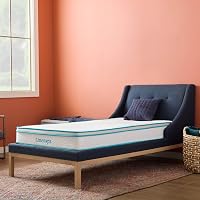
Foam models can use a comfort layer over denser support foam. The Zinus 12 in Green Tea model, for example, has a medium firm feel and zoned pressure relief according to the product details.
Spring models use coils beneath comfort materials. Their support and pressure feel vary with coil design, padding, firmness and how well the mattress suits your body.
If ongoing pain or sleep problems affect you, ask a health professional for guidance. Mattress feel can influence comfort, but it isn't a medical treatment.
Which mattress handles movement better?
Memory foam is often the better match if you want less motion to travel across the surface. Traditional spring mattresses may transfer more movement, although coil design and comfort layers affect the result.
Foam compresses close to the point of pressure. That can help limit the feeling of a partner shifting, getting in or out of bed, or changing position.
A spring mattress responds with its coils. In a traditional connected-coil design, movement can travel across the surface more noticeably; pocketed coils move more independently than connected springs.
The memory foam vs hybrid mattress comparison can help if you want some of foam's motion absorption with a coil layer. Hybrid designs vary, so compare their specific construction.
Which one may sleep cooler?
A coil mattress may feel more open than an all-foam mattress, but materials and covers also affect heat. Don't assume that every spring mattress sleeps cool or every foam mattress sleeps warm.
Foam surrounds more of your body, which some people find cozy and others find warm. A breathable cover and foam construction can influence the feel, but no single feature guarantees a cooler night's sleep.
Springs create open space inside the mattress, yet thick foam or quilted layers above them can still retain warmth. Check the comfort materials as well as the support layer.
If temperature matters, compare the cover, comfort layers and construction across the exact models. The best memory foam mattress options can help you narrow foam choices by their stated features.
How do memory foam and spring mattresses compare for sleep positions?
Side sleepers often look for cushioning at the shoulder and hip, while back and stomach sleepers may prefer a more lifted feel. Your body shape and comfort preference matter as much as the sleep position.
A foam surface contours around pressure points. A medium firm option may be a starting point if you want cushioning without an especially plush feel, but firmness labels aren't identical across brands.
A spring surface can feel easier to move on during the night. If you tend to shift positions, a more responsive mattress may feel less restrictive than close contouring foam.
Stomach sleepers may prefer a surface that doesn't let the hips sink too far. Back sleepers often compare how evenly a mattress supports their body, but no mattress type guarantees the same comfort for everyone.
If you're unsure, compare the return or trial terms and the support requirements before buying. A mattress that's easy to move on isn't automatically the right firmness for you.
What is a memory foam mattress made of?
A memory foam mattress usually combines a contouring comfort layer with denser foam below it. The exact materials and layer thicknesses vary by model.
For example, the Zinus Memory Foam 12 Inch Green Tea has 3 in of conforming memory foam, 2 in of comfort foam and a 7 in base support layer. Its construction differs from a basic spring mattress, which uses coils beneath its comfort materials.
Read what memory foam mattresses are made of to understand how comfort and support layers work together. That can help you compare foam models beyond the word “memory” in the name.
What bed base works with each mattress type?
Match the base to the mattress maker's compatibility instructions and the frame you own. A compatible mattress can still need a particular kind of support underneath.
Foam mattresses are often paired with platform bases or other supportive foundations. If you plan to raise and lower the bed, check whether a foam mattress works on an adjustable base before combining them.
Spring mattresses may work with different foundations, but the mattress and frame requirements determine the suitable setup. An adjustable base may need a compatible mattress and a foundation designed for that purpose.
A box spring is a foundation, not a mattress. For a matched king setup, compare king mattress and box spring sets.
Review whether a box spring works with an adjustable base before adding one between an adjustable frame and mattress.
If you're setting up a queen bed, our queen mattress and box spring set guide covers how to think about those pieces together. For a wider overview of choosing a mattress, see which mattress to buy.
Should you choose a foam, spring or hybrid mattress?
Choose all-foam for closer contouring, traditional springs for a buoyant response, or a hybrid if you want a mix. The best starting point is the feel you know you prefer.
A traditional spring mattress suits shoppers who value a lifted surface and easy movement. Check the coil construction and comfort layers, since both affect motion and pressure feel.
An all-foam mattress suits shoppers who want the surface to contour more closely and absorb movement. Consider the comfort layers and base support, not just the foam label.
A hybrid bridges the two designs with both foam and springs. The SayTale 12 in Queen Hybrid combines memory foam and pocketed springs for shoppers comparing those materials.
For a brand-specific foam comparison, read whether Lucid is a good memory foam mattress. Check the model's materials and firmness before deciding whether it matches your preferred feel.
How should you make the final choice?
Pick memory foam if you want a close, contouring feel and less motion transfer; pick springs if you want more bounce and an easier-moving surface. Choose a hybrid when you want elements of both.
Before buying, confirm mattress dimensions, firmness, construction, base compatibility and return terms. If you're replacing a mattress, consider what you liked and disliked about its feel rather than relying on its material name alone.
The product examples here show how much foam construction can vary and how a hybrid adds coils. Start with which mattress to buy for the broader decision, then compare the exact mattress and base you plan to use.
Frequently asked questions
Is memory foam better than a spring mattress?
Memory foam may suit you better if you want close contouring and less motion transfer, while a spring mattress may suit you if you prefer a buoyant feel and easier movement on the surface. Neither type is best for everyone; consider your sleep position, comfort preferences and bed frame.
Do spring mattresses sleep cooler than memory foam?
A traditional spring mattress can allow more air to move through its coil structure than an all-foam mattress, though the cover and comfort layers also affect warmth. If you tend to sleep hot, compare the full construction and look for breathable materials rather than choosing by mattress label alone.
Can you use a memory foam mattress on an adjustable base?
Many foam mattresses can flex on adjustable bases, but compatibility depends on the mattress and base. Check both manufacturers' instructions before pairing them.
Our guide to using a foam mattress on an adjustable base explains what to confirm.
Can you use a box spring with a memory foam mattress?
Some foam mattresses are compatible with box springs, but support requirements vary by model. Confirm that the foundation is suitable and provides the support the mattress maker requires.
See our guide to using a box spring with an adjustable base if you're considering that setup.